Automated Sales Funnel Mastery
Understanding Sales Funnels
What Is a Sales Funnel?
A sales funnel is the path a potential customer takes on their way to a purchase. Think of a real-world funnel, wide at the top and narrow at the bottom. At the top, a lot of people might learn about your business. As they move down, many drop off, but the most interested ones continue until they eventually become customers at the narrow end.
A sales funnel is a visual representation of the customer journey, outlining the steps prospects take from initial awareness to final conversion.
The purpose isn't just to track this journey, but to actively guide people through it. By understanding each step, you can create a smoother, more persuasive experience that turns casual browsers into committed buyers. Each stage presents an opportunity to build trust and show why your product or service is the right choice.
The Four Stages of a Funnel
Most sales funnels are broken down into four key stages. This model is often called AIDA.
1. Awareness This is the top of the funnel, where people first encounter your brand. They might see a social media post, find your blog through a search engine, or hear about you from a friend. They now know you exist, but they might not know much else.
2. Interest Once aware, a prospect's interest grows. They start to actively research their problem and look for solutions. At this stage, they might read your articles, sign up for your newsletter, or follow you on social media to learn more. They are evaluating if you have something that can help them.
3. Decision At this point, the prospect is ready to buy and is comparing their options. They might be looking at your pricing page, reading customer reviews, or comparing your product against a competitor's. The goal here is to give them the final push they need to choose you.
4. Action This is the final step. The prospect becomes a customer by making a purchase, signing a contract, or scheduling a service. While this is the end of the funnel, it's also the beginning of your relationship with them as a customer.
Why Automate the Funnel?
Manually guiding every single person through the funnel is nearly impossible, especially as a business grows. That's where automation comes in. It uses software to perform repetitive tasks, nurture leads, and move people through the funnel without constant manual effort.
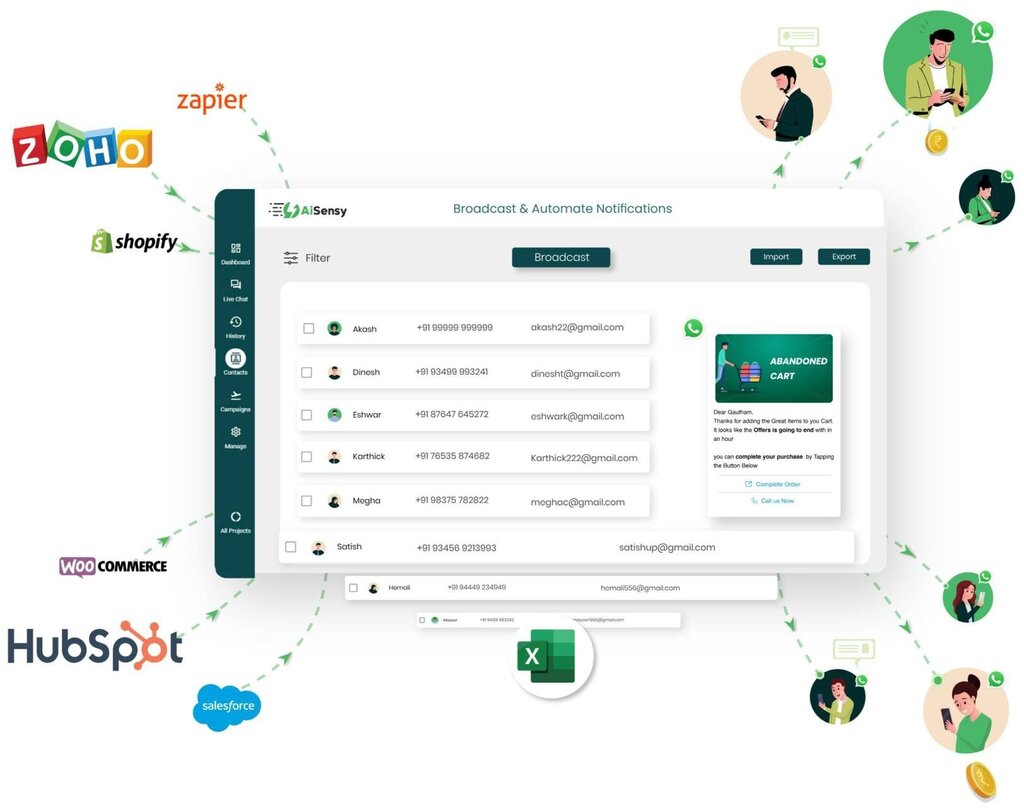
For example, instead of manually sending a welcome email to every new newsletter subscriber, automation can do it instantly. If someone visits your pricing page but doesn't buy, an automated system can send them a follow-up email a day later with a special offer.
Automating your sales funnel saves time, ensures consistent communication with potential customers, and helps you scale your efforts efficiently.
Key benefits include:
- Increased Efficiency: Frees up your team to focus on more complex tasks instead of repetitive ones.
- Timely Follow-ups: Ensures no potential customer is forgotten. Leads are contacted at the right moment.
- Personalization at Scale: Delivers tailored content based on a user's behavior, making the experience more relevant to them.
- Data and Insights: Provides valuable data on what's working and where people are dropping out of your funnel, so you can make improvements.
Tools like email marketing platforms, customer relationship management (CRM) systems, and specialized funnel-building software make this possible.
Now, let's test your knowledge on the basics of sales funnels.
What is the primary purpose of a sales funnel?
The AIDA model describes the four key stages of a sales funnel. What is the correct sequence of these stages?
Understanding the sales funnel is the first step toward building a systematic process for attracting and converting customers.