Automate Work with Python and AI No-Code
Introduction to Automation
What is Automation?
At its core, automation is about letting technology handle repetitive tasks for you. Think about any job you do over and over again: copying data from one place to another, sending the same email every week, or sorting files into folders. These are perfect candidates for automation. The main goal is to free up your time for more important, creative, and strategic work.
By handing over routine jobs to a machine, you reduce manual effort, minimize human error, and boost overall productivity. It's not about replacing people, but empowering them to work smarter.
A simple example is setting up automatic bill payments. Instead of remembering to log in and pay your phone bill every month, you create a rule that does it for you. You set it up once, and the system takes care of the rest. This is a basic form of automation that saves you time and prevents late fees.
The Old Way and The New Way
For a long time, automation was strictly the domain of programmers. If you wanted to automate a process, you had to write custom code. Think of early factory robots on an assembly line. They were programmed to perform a very specific sequence of actions, and changing that sequence required a specialist with deep technical knowledge.
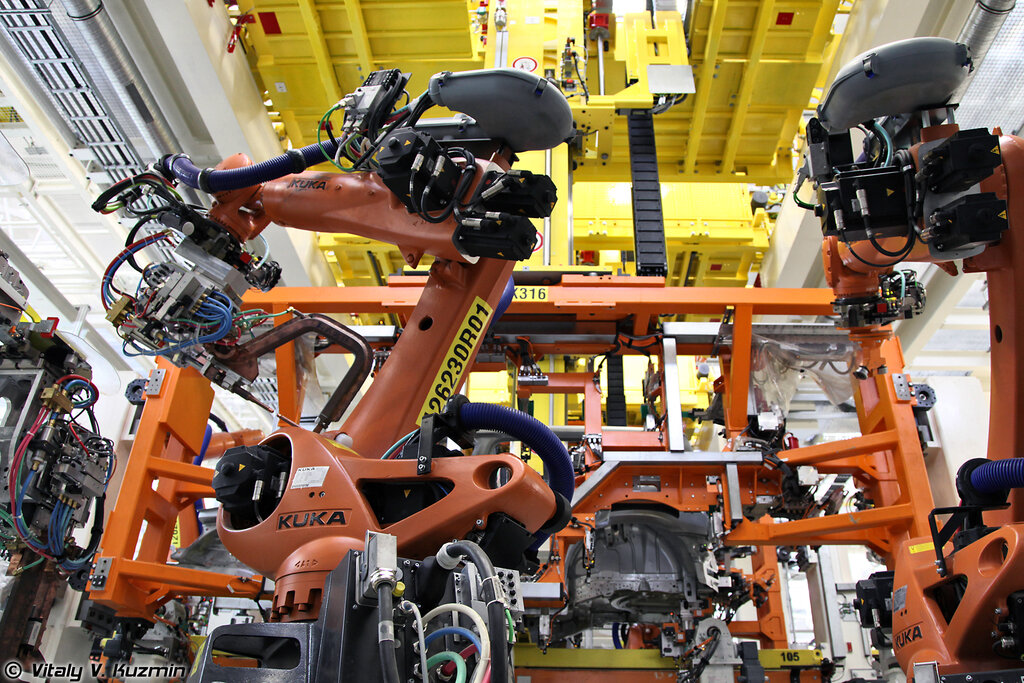
But things have changed. Today, we have no-code and low-code platforms. These tools are designed for everyone, not just developers. They use visual, drag-and-drop interfaces to build automated workflows. Instead of writing lines of code, you connect pre-built blocks that represent different actions, like "When a new email arrives in Gmail, copy the attachment to my Dropbox folder."
No-code platforms enable non-technical users, such as marketers or administrators, to create automations using drag-and-drop interfaces, eliminating the need for coding skills.
This shift has made automation accessible to people in all sorts of roles, from marketing and sales to project management and finance. You no longer need to be a coder to streamline your work.
Where AI Fits In
Artificial intelligence takes automation to the next level. Traditional automation is great at following strict, predefined rules. If X happens, do Y. But what if the task requires a bit of judgment?
This is where AI comes in. AI can handle tasks that are less predictable. It can understand language, recognize patterns, and make decisions based on context. For example, an AI-powered automation could read incoming customer support emails, understand the sentiment (is the customer happy or angry?), and automatically route the email to the correct department.
Think of it this way: traditional automation is like a helpful intern who needs exact instructions for every task. AI-powered automation is like a senior assistant who can understand a goal and figure out the steps to get there on their own.
By infusing automation with AI, we can build more powerful and flexible workflows. These systems can summarize long documents, draft email responses, or even analyze data to find trends—all without needing a person to guide every single step.
Now that you understand the basics, let's check your knowledge.
What is the primary goal of automation as described in the text?
Historically, creating automated systems was primarily the domain of programmers who had to write custom code.