Automate Work with Python and AI No Code
Introduction to Task Automation
What Is Task Automation?
Task automation is the process of using technology to perform recurring tasks without human intervention. Think about all the small, repetitive things you do every day, like copying data from one spreadsheet to another, sending the same follow-up email, or renaming a batch of files. Automation takes these jobs off your plate so you can focus on more important work.
The main benefits are simple: saving time, reducing errors, and increasing productivity. When a computer handles a repetitive task, it does it the same way every time, eliminating the chance of typos or other mistakes.
Traditionally, creating an automation required writing code. A programmer might use a language like Python to write a script that tells a computer exactly what steps to follow. This approach is powerful and flexible, allowing for highly customized solutions. For example, a developer could write a script to automatically download daily sales reports from a website and save them to a specific folder. While effective, this method requires specialized programming skills, making it inaccessible to many people.
Easier Ways to Automate
Today, you don't need to be a coder to automate your work. The rise of no-code and low-code platforms has made automation accessible to everyone. These tools use visual, drag-and-drop interfaces to build workflows.
Think of it like building with digital LEGO blocks. Each block represents an action, like "Send an email" or "Create a calendar event." You connect these blocks to create a sequence of tasks that runs automatically. You define the trigger—like a new email arriving with a specific subject line—and the platform handles the rest.
No-code automation platforms empower both technical and non-technical users to automate processes using graphical user interfaces, rather than relying on conventional computer programming.
This approach removes the technical barrier, allowing people with deep knowledge of a business process to build their own automations without writing a single line of code.
Adding Intelligence to Automation
Artificial intelligence (AI) takes automation to the next level. While traditional automation is great for rule-based tasks that never change, AI can handle more complex and dynamic situations. It can make decisions, understand language, and recognize patterns.
For instance, a simple automation could file any email with the word "invoice" into a specific folder. An AI-powered automation, however, could read an email, understand that it's from a supplier asking about a late payment, extract the invoice number and amount due, and then draft a reply for your approval. AI adds a layer of intelligence, allowing you to automate tasks that require judgment and context.
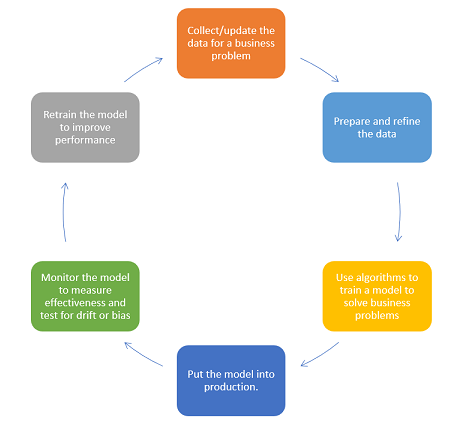
This combination of AI and automation opens up new possibilities. It allows businesses and individuals to streamline not just simple, repetitive chores, but also more sophisticated workflows that traditionally required human cognition.
What is the primary goal of task automation?
How has creating automations become more accessible to people without programming skills?
By understanding these core concepts, you're ready to start identifying opportunities for automation in your own work.