Automate Work with Python AI No-Code
Introduction to No-Code Automation
What Is No-Code Automation?
No-code automation lets you connect different apps and services to handle repetitive tasks for you. Instead of writing code, you use visual, drag-and-drop interfaces to build these connections, which are often called workflows.
Think of it like building with LEGO bricks. You don't need to know how to manufacture plastic to build a castle. You just connect the pre-made bricks in the right order. No-code platforms provide the 'bricks' (actions and triggers from your favorite apps), and you decide how they fit together.
No-code platforms enable non-technical users, such as marketers or administrators, to create automations using drag-and-drop interfaces, eliminating the need for coding skills.
The core idea is to put the power of automation into the hands of the people who actually do the work, regardless of their technical background. If you know a process inside and out, you should be able to automate it.
automation
noun
The use of technology to perform a task or process with minimal human assistance.
A Quick Look Back
Automation isn't new. For decades, large companies used complex, expensive software called Business Process Management (BPM) systems to streamline their operations. These systems were powerful but required specialized developers and consultants to set up and maintain.
The real shift came with the rise of cloud-based apps and APIs (Application Programming Interfaces). Suddenly, services like Google Sheets, Slack, and Mailchimp could 'talk' to each other. This created the perfect environment for a new generation of tools built for everyone, not just programmers.
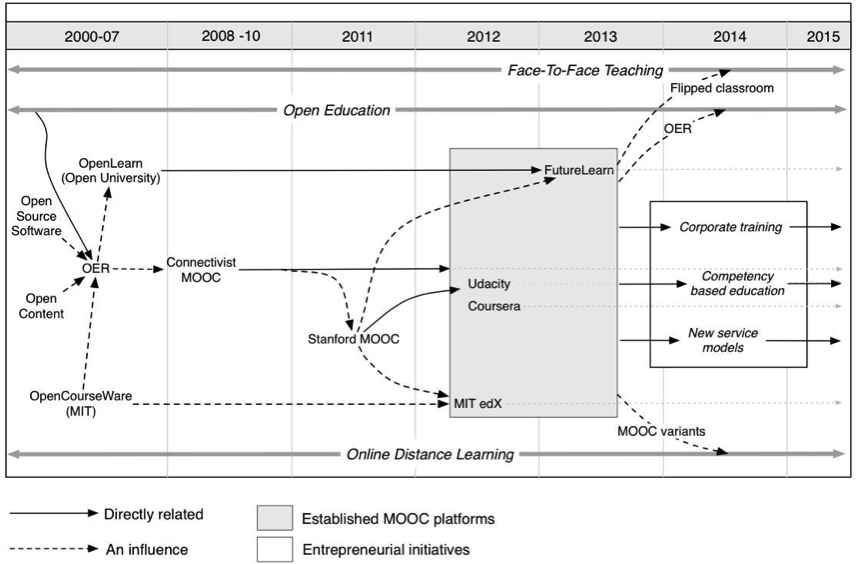
This change mirrored a broader trend in technology: making powerful tools accessible to a wider audience, much like how online courses opened up education.
Key Benefits
Why has no-code automation become so popular? It solves several common business problems.
Speed and Agility Instead of waiting weeks or months for a developer to build a solution, you can create and launch an automation in hours or even minutes. This allows you and your team to adapt quickly to new challenges.
Lower Costs Custom software development is expensive. No-code tools are typically subscription-based and far more affordable, making automation accessible even for small businesses and individuals.
Empowerment When you can solve your own problems without relying on an IT department, you become more efficient and innovative. It frees up technical teams to focus on more complex, high-value projects.
For example, a marketing manager could automatically add new email subscribers from a website form to a spreadsheet and then send them a welcome message, all without writing a single line of code.
Fewer Errors Manual, repetitive tasks are prone to human error. Copying and pasting data between spreadsheets, for instance, can lead to mistakes. Automation ensures the process runs the same way, every time, reducing costly errors.
Popular Platforms
The no-code ecosystem is vast and growing. While we won't dive deep into any single tool, it's helpful to know the major players. Each has its own strengths, but they all share the core principle of visual, code-free automation.
| Platform | Best For | Key Feature |
|---|---|---|
| Zapier | Beginners, connecting thousands of apps | Extremely user-friendly interface |
| Make | Visual thinkers, complex workflows | Visual canvas for building automations |
| n8n | Technical users, self-hosting | Open-source and highly customizable |
These tools act as the glue between the web services you use every day, allowing you to create seamless workflows tailored to your specific needs.
What is the primary goal of no-code automation?
According to the text, the rise of cloud-based apps and APIs was a critical factor in making no-code automation widely accessible.
This is just the beginning. By understanding these foundational concepts, you are ready to start thinking about how you can apply no-code automation to your own work.