Automate Work with Python AI No-Code
Introduction to Automation
Putting Tasks on Autopilot
At its core, automation is about teaching a machine to do a repetitive task for you. Think of it as creating a set of instructions that a computer can follow over and over again, without getting tired or making mistakes. The goal is simple: to free up your time and mental energy from boring, manual work so you can focus on more important, creative, or strategic problems.
If you find yourself doing the same clicks, keystrokes, or data entry every single day, that task is a prime candidate for automation.
Imagine you have a hundred photos to rename from "IMG_4567.jpg" to "Vacation_2024_01.jpg". Doing it by hand is tedious and prone to typos. An automated script could do it flawlessly in seconds. This is the magic of automation: it boosts productivity, reduces human error, and lets you scale your work in ways that just aren't possible manually.
Two Paths to Automation
So, how do you actually automate something? There are two main approaches people take, each with its own strengths.
| Feature | Traditional Coding | No-Code / Low-Code |
|---|---|---|
| How it Works | Writing scripts in a programming language. | Using visual, drag-and-drop interfaces. |
| Flexibility | Extremely high; you can build anything you can imagine. | Limited to the platform's pre-built functions. |
| Learning Curve | Steep; requires learning programming concepts. | Low; designed for non-technical users. |
| Best For | Custom, complex, or unique automation needs. | Common business tasks and workflows. |
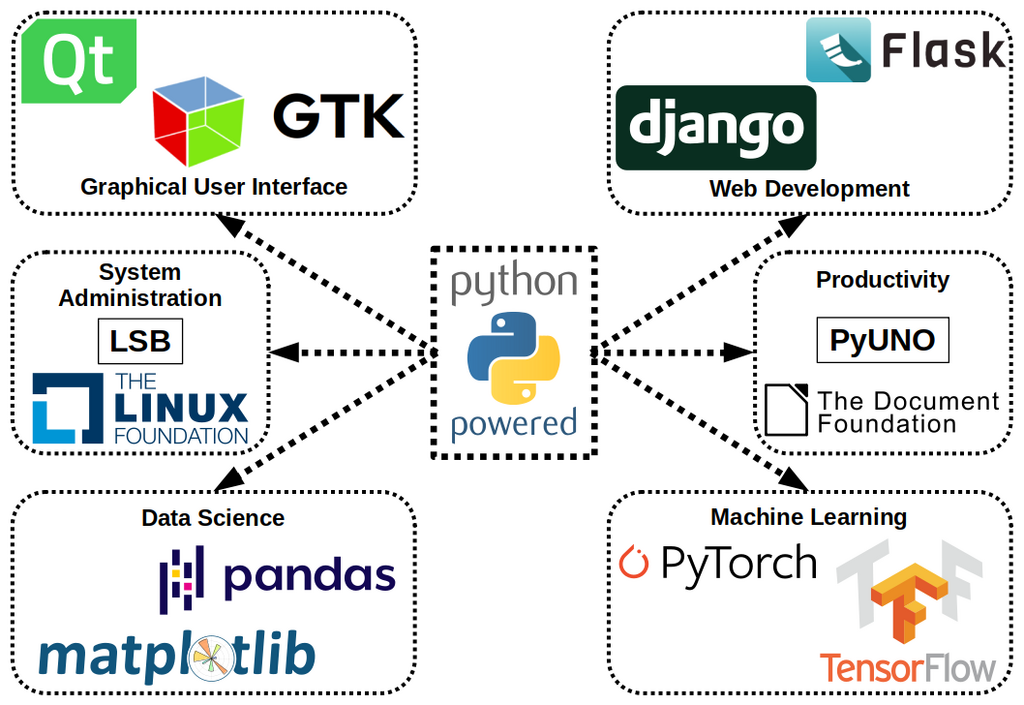
Traditional coding offers limitless power. With a programming language like Python, you can build highly customized solutions for nearly any problem. Python is especially popular for automation because its syntax is relatively easy to learn, and it has a massive ecosystem of free libraries that handle everything from reading spreadsheets to controlling your web browser.
No-code and low-code platforms, on the other hand, make automation accessible to everyone. They provide a visual canvas where you can connect different apps and services like puzzle pieces to build a workflow. You might, for example, create a workflow that automatically saves email attachments from Gmail to a specific Dropbox folder. While less flexible than code, these tools are incredibly fast for setting up common automations.
Adding Intelligence with AI
Artificial intelligence (AI) is taking automation to a whole new level. Traditional automation is great at following a strict set of rules. But what if the task requires a bit of judgment?
AI-powered automation can handle tasks that involve unstructured data, like text from an email or speech from a phone call. It can understand context, make decisions, and even learn from feedback. Instead of just following a script, an AI can summarize a long document, categorize customer feedback based on sentiment, or decide which team member is best suited to handle a new support ticket.
The next generation of no-code automation is powered by generative AI, which enables systems to:
Extract unstructured data from documents, emails, and chats Summarize content like customer tickets or internal documentation Make decisions using large language models or agent workflows Trigger downstream actions based on context rather than just predefined rules
By combining automation with AI, you can build systems that don't just perform repetitive actions but manage complex, dynamic workflows. This fusion allows for more sophisticated and intelligent processes, pushing the boundaries of what can be done without direct human intervention.
Time to check what you've learned.
What is the primary goal of automation?
A user with no programming experience wants to create a workflow that saves their email attachments to a specific cloud storage folder. Which approach is most suitable for them?
Understanding these core ideas is the first step toward reclaiming your time from repetitive work.