ASME Materials for Process Piping
Introduction to Process Piping
The Arteries of Industry
Industrial plants, from oil refineries to chemical factories, are like complex organisms. At the heart of their operation is a vast network of pipes, the circulatory system that keeps everything running. This network is called process piping.
Process piping is a system of pipes, fittings, valves, and other components that transports fluids—liquids, gases, slurries, or powders—between equipment in an industrial facility.
Imagine a petrochemical plant. Raw materials enter at one end, and finished products like plastics or fuels exit at the other. Process piping is what carries the materials through each stage of transformation, from heating and cooling to reacting and separating. These systems operate under a huge range of conditions, from cryogenic temperatures to extreme heat and high pressure.
Anatomy of a Piping System
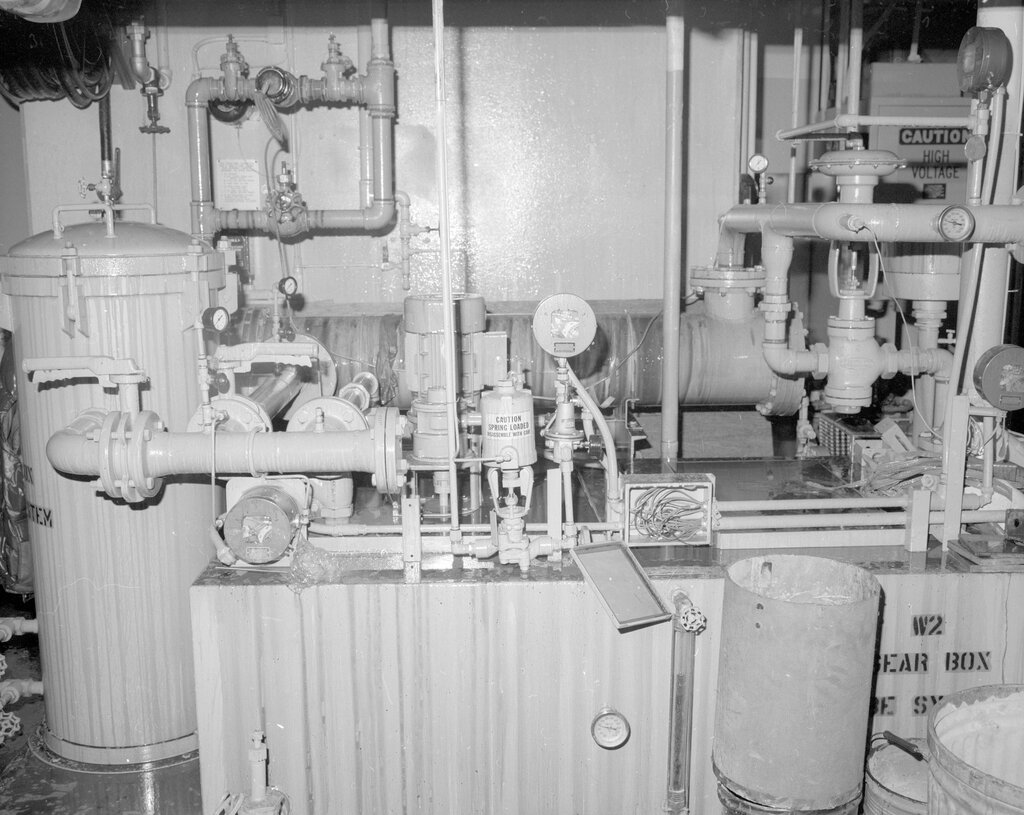
A process piping system isn't just a collection of tubes. It's an engineered assembly of carefully selected components, each with a specific job. Understanding these parts is key to understanding the whole system.
Here are the main players:
- Pipes: These are the hollow cylinders that form the main pathways for the fluid.
- Fittings: Components that connect pipes and change the direction or size of the flow. Common fittings include elbows (to turn corners) and reducers (to connect pipes of different diameters).
- Flanges: Rims or collars used to connect pipes, valves, and equipment. They are usually bolted together with a gasket in between to create a tight seal.
- Valves: Devices that regulate, direct, or control the flow of a fluid by opening, closing, or partially obstructing passageways.
- Bolts and Gaskets: The fasteners and sealing materials that hold flanged connections together and prevent leaks.
Ensuring Safety and Reliability
Designing and building a process piping system is not a creative free-for-all. A failure—a leak or a rupture—can have catastrophic consequences for people, property, and the environment. To prevent this, the industry relies on a set of strict rules and guidelines known as codes and standards.
Key codes such as ASME B31.1 (Power Piping) and ASME B31.3 (Process Piping) govern materials, procedures, and inspections.
These standards provide a common language and a shared set of minimum requirements for engineers, fabricators, and inspectors. They ensure that a piping system is designed and built to withstand its intended operating conditions safely.
The most important standard for the systems we're discussing is the ASME B31.3 Process Piping Code. Published by the American Society of Mechanical Engineers (ASME), this document is the go-to guide for process piping. It covers everything from selecting the right materials to the proper methods for fabrication, assembly, inspection, and testing.
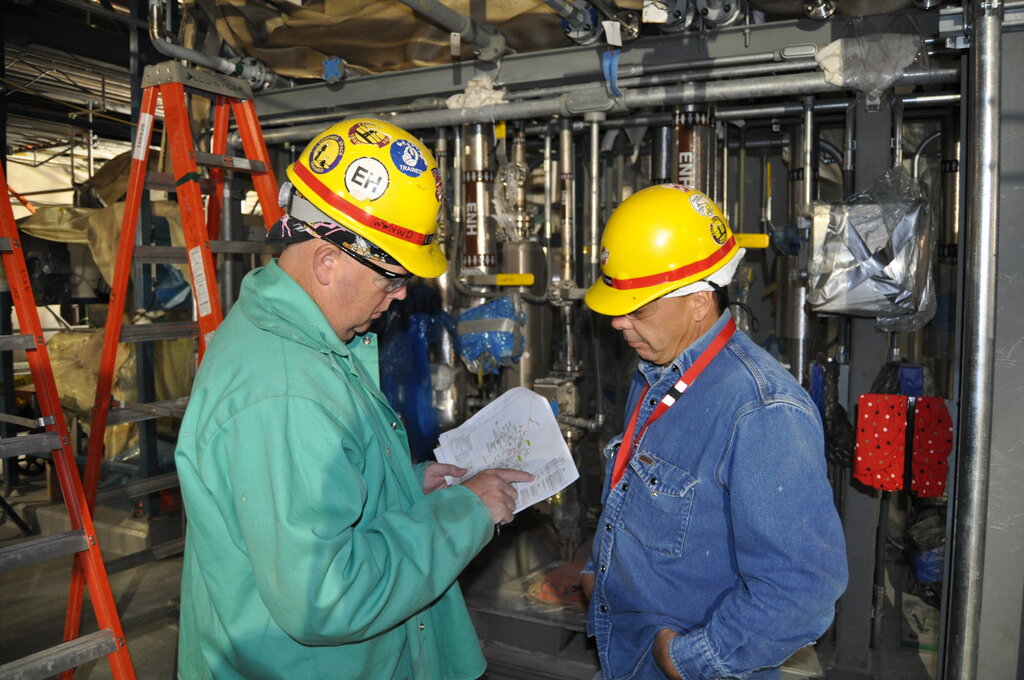
By following codes like ASME B31.3, companies ensure their facilities are not only efficient but also fundamentally safe. These standards represent decades of collected knowledge and experience, forming the bedrock of modern industrial engineering.
What is the primary function of process piping in an industrial plant?
Which component is specifically designed to connect pipes of different diameters?
Process piping forms the vital infrastructure of countless industries, and understanding its basic components and governing standards is the first step in appreciating its complexity and importance.