Artificial Intelligence Explained
Introduction to AI
What Is Artificial Intelligence?
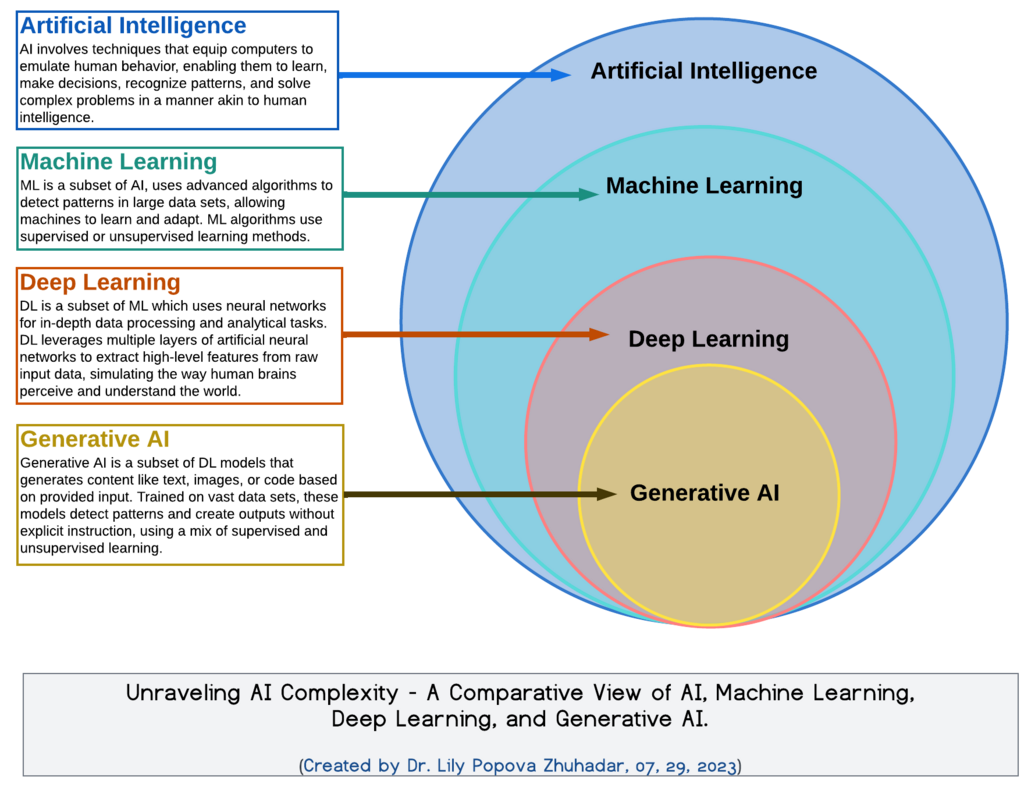
At its core, artificial intelligence is about teaching computers to perform tasks that typically require human intelligence. This doesn't mean creating a machine that thinks exactly like a person. Instead, it's about building systems that can learn, reason, solve problems, and understand language.
Artificial Intelligence
noun
A field of computer science dedicated to creating systems capable of performing tasks that require human intelligence, such as learning, reasoning, and perception.
Think of it as a broad umbrella term. AI isn't just one technology; it's a collection of different approaches and subfields. Some AI systems follow a strict set of pre-programmed rules. Others are designed to learn and adapt on their own by analyzing vast amounts of data. This ability to learn from experience is what makes modern AI so powerful.
A Brief History
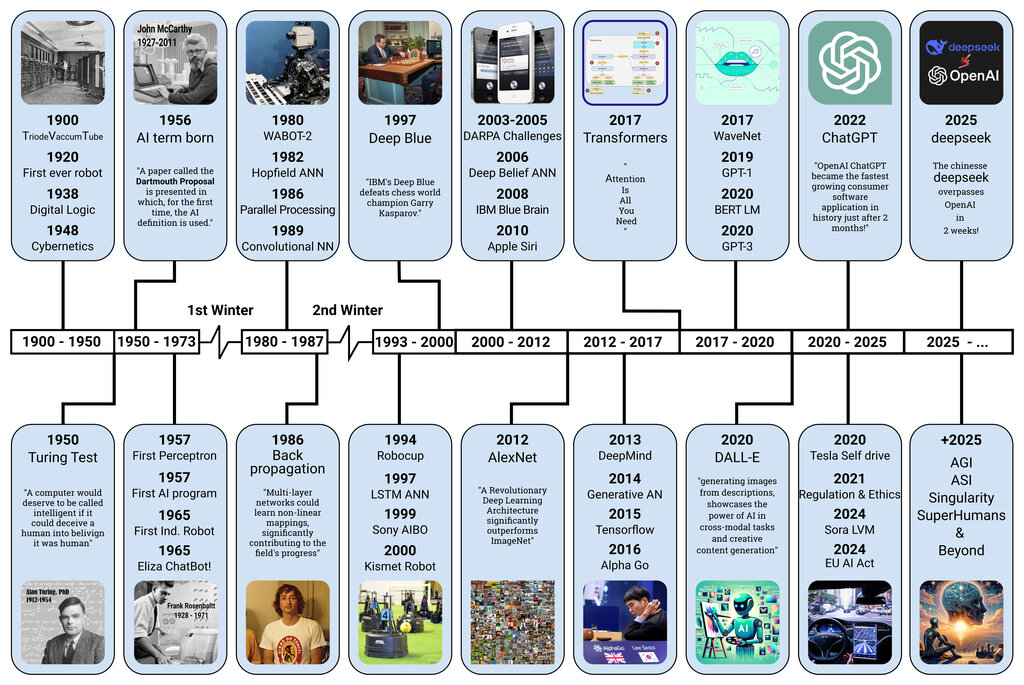
The dream of creating intelligent machines is ancient, but the formal field of AI research began in the mid-20th century. In 1950, computer scientist Alan Turing proposed a test, now called the Turing Test, to determine if a machine could exhibit intelligent behavior indistinguishable from that of a human. This idea laid crucial groundwork.
The term "artificial intelligence" was officially coined a few years later, in 1956, at a workshop at Dartmouth College. Early research was filled with optimism, and scientists developed programs that could solve algebra problems and prove theorems in logic. However, progress slowed in the 1970s and 80s, a period sometimes called the "AI winter," as the limits of computing power and data availability became clear.
A renaissance began in the 1990s and has accelerated ever since. The rise of the internet generated massive datasets, and advancements in computer hardware provided the necessary processing power. These two factors fueled the growth of machine learning, leading to breakthroughs that now power many of the tools we use daily.
The Core Branches of AI
AI is a diverse discipline with many specialized areas. Understanding a few of the most important branches helps clarify what AI can do.
Machine Learning (ML): This is the most common type of AI today. Instead of being explicitly programmed for a task, an ML system learns from data. It identifies patterns and makes predictions. Your email's spam filter, for example, learned to spot junk mail by analyzing thousands of examples of both spam and legitimate messages.
Natural Language Processing (NLP): This branch focuses on the interaction between computers and human language. NLP allows machines to read, understand, and generate text and speech. When you ask a voice assistant for the weather or use a translation app, you're using NLP.
Computer Vision: This field enables computers to interpret and understand information from images and videos. It's the technology that allows your phone to recognize faces to unlock, helps self-driving cars identify obstacles, and lets you search your photo library for pictures of "dogs" or "beaches."
| Subfield | Primary Goal | Everyday Example |
|---|---|---|
| Machine Learning | Learn patterns from data | Product recommendations on a shopping site |
| Natural Language Processing | Understand and generate human language | Autocorrect and text prediction |
| Computer Vision | Interpret visual information | Scanning a QR code with your phone |
These fields often overlap. For instance, an advanced AI system might use computer vision to see a street sign and NLP to read the text on it. Together, these branches form the foundation of modern artificial intelligence.