Armenia and US Relations
Early Armenian-American Interactions
First Steps in a New Land
The story of Armenians in America begins long before you might think. The first documented Armenian to arrive on American shores was a man named Martin the Armenian. He landed in the Jamestown Colony in Virginia in 1618, brought over for his skills in silkworm cultivation. His journey was a solo one, a historical footnote rather than the start of a wave.
For the next two centuries, only a handful of Armenians made the long voyage. It wasn't until the 1830s that a small, steady stream of immigrants began. These early arrivals were often young men seeking education at American universities, merchants looking for new trade opportunities, or Protestant converts drawn by American missionary work in the Ottoman Empire.
Building Communities
The first true Armenian-American communities began to form in the late 19th century. One of the earliest and most significant was in Worcester, Massachusetts. Armenians were drawn to the city's factories and wire mills, finding work that required little English but a lot of grit. Soon after, another major community sprouted thousands of miles away in Fresno, California, where the fertile land of the Central Valley offered a familiar agricultural setting.
These weren't just collections of people; they were vibrant, organized communities. The first Armenian Apostolic Church in America, the Church of Our Saviour, was established in Worcester in 1891. It served as a spiritual and cultural anchor. Newspapers in the Armenian language began to circulate, and social clubs and political organizations formed, helping preserve their heritage and support newcomers navigating a foreign land.
Diplomatic Beginnings
While Armenians were building new lives in America, the United States government began to establish its own presence in their ancestral homeland. At the time, there was no independent Armenia. Most of the Armenian population lived within the borders of the Ottoman Empire. U.S. diplomatic relations were with the Ottoman government in Constantinople, not with the Armenian people directly.
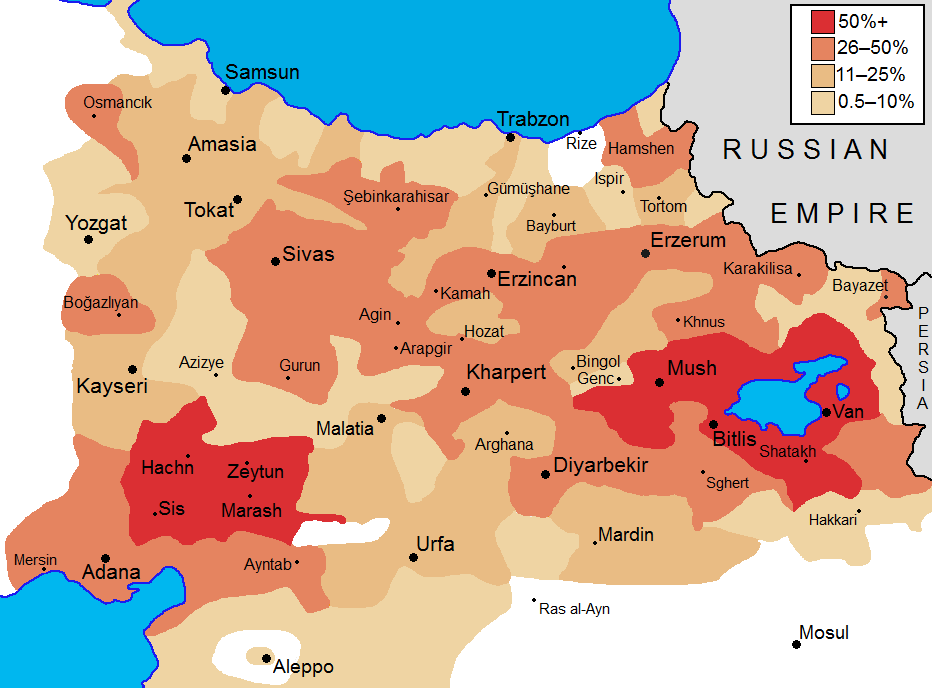
However, the U.S. recognized the importance of the Armenian-populated provinces. Starting in the late 19th century, American consulates were established in cities like Harput, Sivas, and Erzerum. Their official purpose was to protect the interests of American missionaries and merchants in the region. Unofficially, these consuls became crucial observers, sending detailed reports back to Washington about the political situation and the treatment of minority populations, including the Armenians.
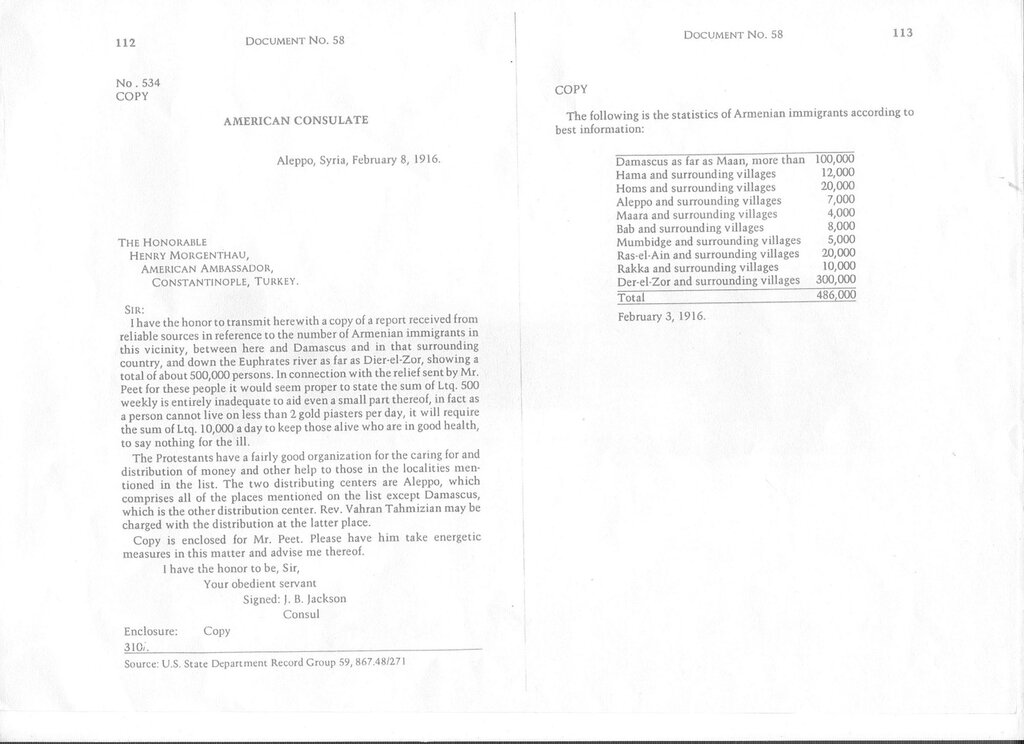
The first direct diplomatic contact with an Armenian state came after World War I, with the short-lived First Republic of Armenia (1918-1920). The United States never formally recognized the republic with full de jure status, but it provided significant humanitarian aid and maintained informal relations through various representatives. This period marked the true beginning of a state-to-state relationship, built upon the foundation of over a century of immigration and quiet diplomatic observation.
Who was the first documented Armenian to arrive in the Jamestown Colony?
What were two of the earliest significant Armenian-American communities formed in the late 19th century?
These early encounters, from the first immigrants seeking opportunity to the first diplomats sending reports, laid the groundwork for the deep and complex relationship that would develop over the next century.