API and Data Integration Fundamentals
Introduction to APIs
What Is an API?
Imagine you're at a restaurant. You don't walk into the kitchen to tell the chef what you want. Instead, you give your order to a waiter, who communicates it to the kitchen and brings the food back to you. The waiter is the intermediary, following a clear set of rules for taking orders and delivering food.
An Application Programming Interface, or API, is like that waiter, but for software. It's a set of rules and protocols that allows one software application to talk to another, requesting and exchanging information.
An API is a bridge that allows two software applications to talk to each other without you needing to know what’s happening behind the scenes.
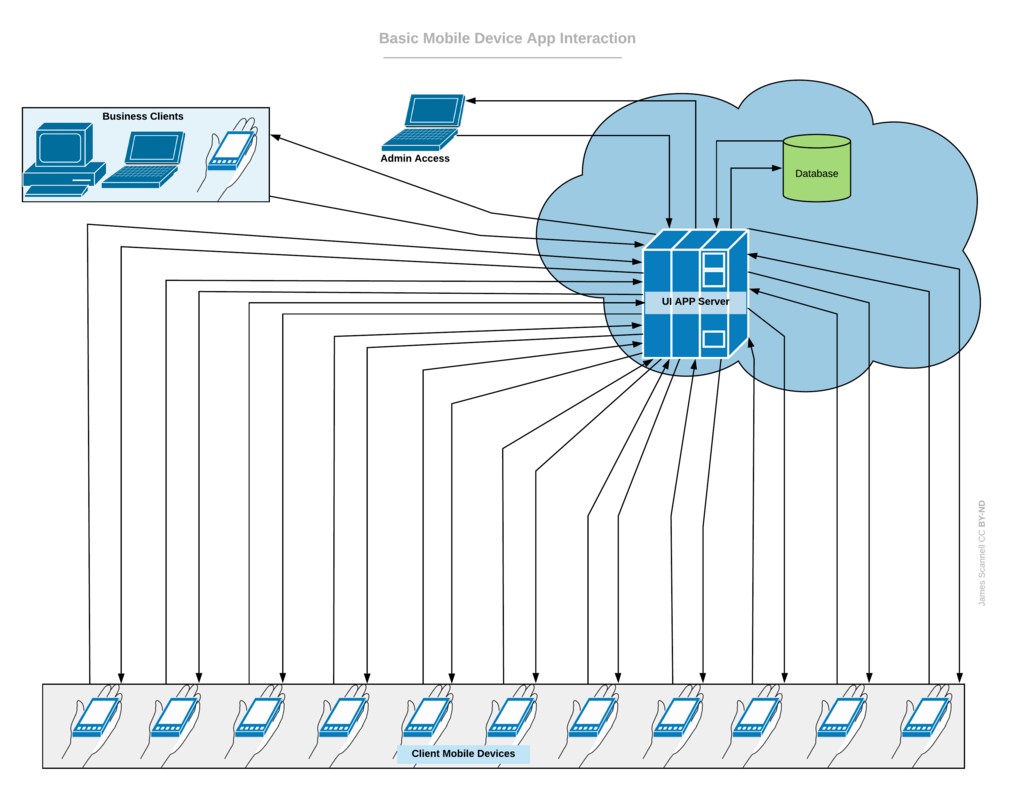
When you use an app on your phone to check the weather, that app is using an API to ask a weather service's system for the latest forecast. The app doesn't need to know how the weather service collects its data; it just needs to know how to ask for it correctly. The API provides that standardized way of asking and receiving answers.
Why Bother With APIs?
APIs are the backbone of the modern internet because they let developers build better software, faster. They do this by providing a few key benefits.
Modularity: Instead of building a massive, single application, developers can create smaller, independent services that communicate through APIs. Think of it like building with LEGO bricks. Each brick has a specific function and a standard way of connecting to others. This makes it easier to update or replace a single part without breaking the entire structure.
Scalability: By using an API, an application can tap into the power of another service. A small startup's ride-sharing app doesn't need to build its own worldwide mapping system. It can use Google Maps' API. This allows the app to offer powerful features and grow its user base without having to build and maintain every single component from scratch.
Interoperability: This is the ability of different systems to work together seamlessly. APIs make this possible. When you book a flight, hotel, and rental car from a single travel website, you're seeing APIs in action. The site is communicating with the separate systems of the airline, hotel chain, and car rental company to gather information and make reservations on your behalf.
A Few Common Flavors
Just as there are different languages for people to speak, there are different styles, or architectures, for APIs. Each has its own rules and is suited for different tasks. Here are three of the most common types you'll encounter.
| API Type | Key Characteristic | Best For |
|---|---|---|
| REST | Flexible and stateless, uses standard web methods like GET and POST. | Web services, mobile apps, and public-facing APIs. The most popular choice for general use. |
| SOAP | Highly structured and protocol-driven, with built-in standards for security and error handling. | Enterprise applications, financial services, and systems requiring high security and reliability. |
| GraphQL | Allows clients to request exactly the data they need, and nothing more. | Complex systems with many data sources, and mobile apps where minimizing data transfer is important. |
Think of REST as a versatile, common language like English. SOAP is more like a formal, legal document with strict formatting. GraphQL is like being able to ask a very specific question and getting only the direct answer, no extra fluff.
In the restaurant analogy, the API is most like the:
A startup creates a new photo-sharing app but uses a third-party API for its image filtering features. This allows the startup to offer advanced filters without having to build the technology themselves. Which key benefit of APIs does this primarily demonstrate?
Understanding APIs is the first step to seeing how the digital world is so interconnected. They are the unseen engines that power much of the software we use every day.