Antihypertensive Pharmacology and Clinical Application
Renin-Angiotensin-Aldosterone System
The Body's Blood Pressure Regulator
Your body has a sophisticated system for managing blood pressure and fluid balance called the Renin-Angiotensin-Aldosterone System, or RAAS. When blood pressure drops or sodium levels are low, the kidneys release an enzyme called renin. Renin acts on angiotensinogen, a protein produced by the liver, converting it into angiotensin I.
Angiotensin I is relatively inactive. Its main purpose is to be a precursor. As it circulates through the lungs, it encounters another enzyme, angiotensin-converting enzyme (ACE). ACE converts angiotensin I into the highly potent angiotensin II.
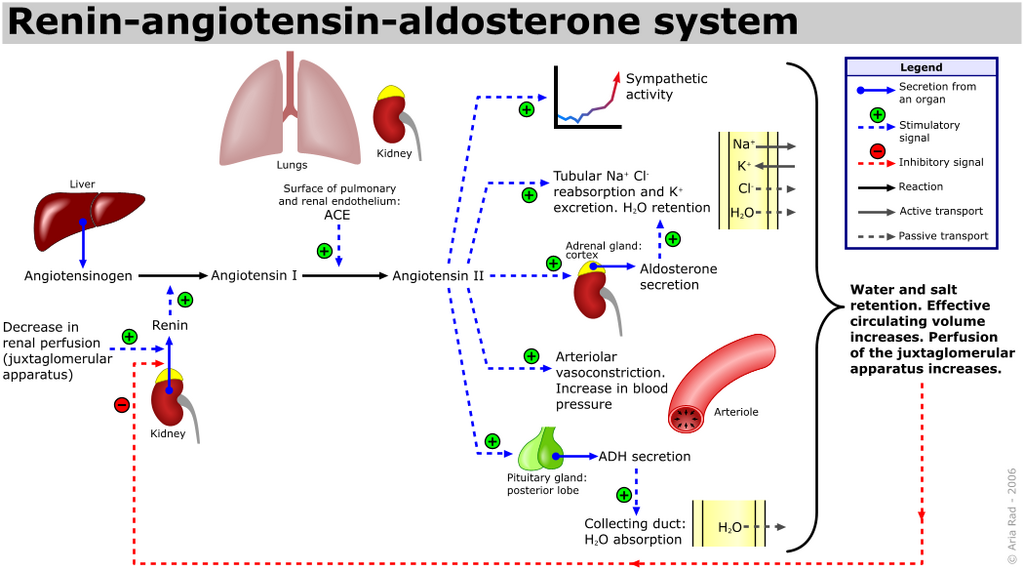
Angiotensin II is the workhorse of this system. It causes powerful vasoconstriction, narrowing blood vessels throughout the body to increase blood pressure. It also travels to the adrenal glands, which sit atop the kidneys, and stimulates them to release a hormone called aldosterone. Aldosterone signals the kidneys to retain more sodium and water, which increases blood volume and, consequently, blood pressure.
Two Ways to Block the System
To lower blood pressure, we can interrupt the RAAS pathway. Two major classes of drugs do this in slightly different ways: ACE inhibitors (ACEIs) and Angiotensin II Receptor Blockers (ARBs).
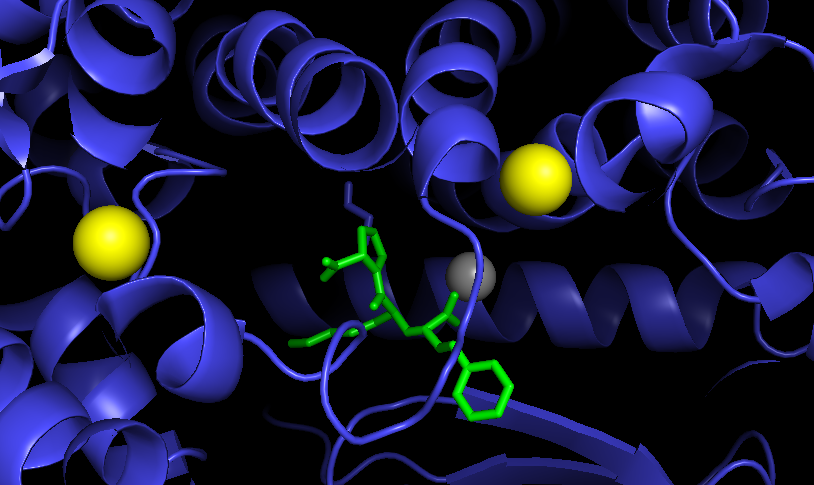
ACE inhibitors, whose names often end in "-pril" (like lisinopril), work by blocking the ACE enzyme. This prevents the conversion of angiotensin I to angiotensin II. Less angiotensin II means less vasoconstriction and less aldosterone, leading to lower blood pressure. Think of it as shutting down the factory that produces the final, active molecule.
Angiotensin II Receptor Blockers (ARBs), which often end in "-sartan" (like losartan), take a different approach. They don't stop the production of angiotensin II. Instead, they block angiotensin II from binding to its primary destination, the AT1 receptor. This is like letting the factory run but blocking all the delivery addresses. The active molecule is produced, but it can't exert its effect on the blood vessels or adrenal glands.
Side Effects and Clinical Choices
The different mechanisms of ACEIs and ARBs lead to distinct side effect profiles. Remember how ACE also breaks down bradykinin? When an ACE inhibitor blocks this enzyme, bradykinin levels increase. For about 1 in 5 patients, this buildup of bradykinin in the lungs causes a persistent, dry cough. This is a classic side effect of ACEIs.
A much rarer, but more dangerous, side effect also linked to bradykinin is —a rapid swelling of the deep layers of skin, often around the face and airways. Because ARBs work downstream and do not inhibit ACE, they don't cause bradykinin to accumulate. This makes them the preferred alternative for patients who develop a cough or angioedema on an ACEI.
Major side effects (e.g., ACE inhibitors → cough, angioedema)
One side effect that both drug classes share is the risk of hyperkalemia, or high potassium levels. Aldosterone helps the body excrete potassium. By reducing aldosterone's effect, both ACEIs and ARBs can cause potassium to be retained. This is especially a concern in patients with kidney problems or those taking other medications that also raise potassium.
Protecting the Kidneys and Heart
While developed for hypertension, these drugs are cornerstones in treating other conditions, particularly heart failure and chronic kidney disease (CKD).
In heart failure, the heart muscle is weak and struggles to pump blood effectively. By blocking the RAAS, ACEIs and ARBs reduce both preload (the volume of blood filling the heart) and afterload (the pressure the heart has to pump against). This eases the workload on the failing heart, improving its function and slowing disease progression.
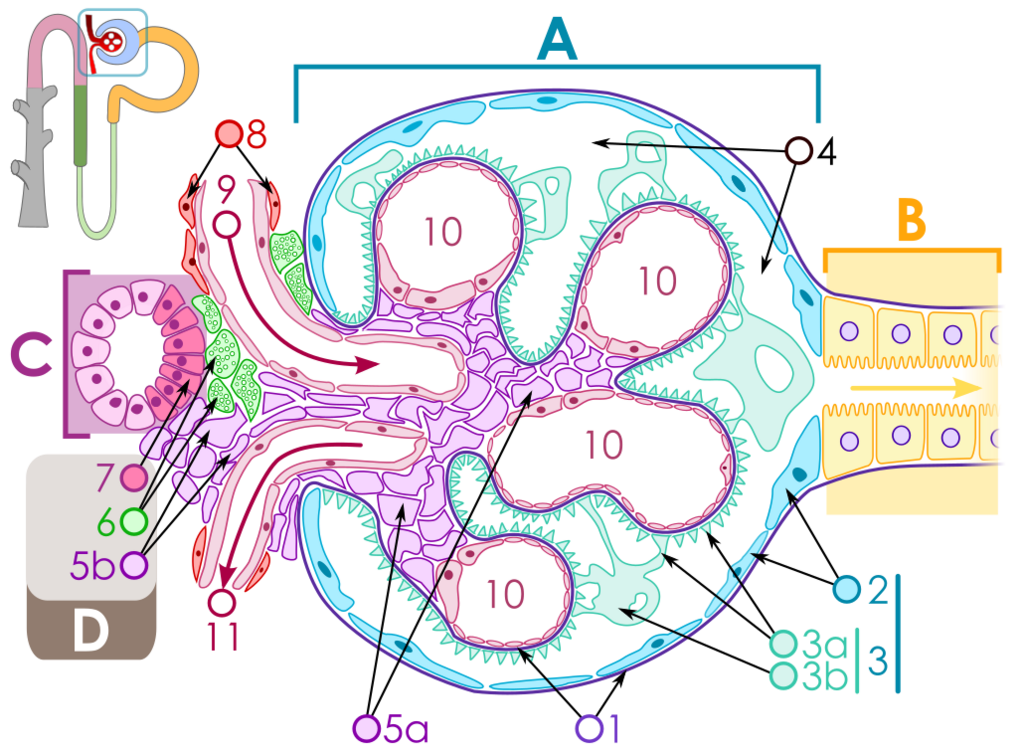
These drugs also have a powerful "renoprotective" effect. In conditions like diabetic nephropathy, high pressure inside the tiny filtering units of the kidney, the glomeruli, causes damage over time. Angiotensin II preferentially constricts the efferent arteriole (the vessel leaving the glomerulus), which drives up this internal pressure. ACEIs and ARBs relax this vessel, lowering the pressure within the glomerulus and protecting the kidney from further injury. This is why they are a first-line therapy for patients with diabetes and signs of kidney disease, such as protein in the urine.
However, there are critical situations where these drugs should be avoided. They are strictly contraindicated in pregnancy as they can cause significant harm to the developing fetus. Another key contraindication is bilateral renal artery stenosis—a condition where the arteries supplying both kidneys are narrowed. In this scenario, the kidneys rely on the vasoconstrictive effect of angiotensin II to maintain blood flow for filtration. Blocking this system can lead to acute kidney failure.
In the Renin-Angiotensin-Aldosterone System (RAAS), what is the direct role of Angiotensin-Converting Enzyme (ACE)?
A patient taking lisinopril, an ACE inhibitor, develops a persistent, dry cough. What is the most likely reason for this side effect?
By targeting the RAAS pathway, ACE inhibitors and ARBs provide powerful tools for managing cardiovascular and renal disease. Understanding their distinct mechanisms and side effect profiles is key to using them safely and effectively.