Amazon CCP Module 9 Security Essentials
Introduction to AWS CCP Security
Security in the Cloud
When you move to the cloud, security doesn't just disappear. It changes. Instead of managing physical servers in a locked room, you manage digital resources online. The key is understanding that security in the cloud is a partnership between you and your cloud provider, like AWS.
The Shared Responsibility Model
AWS uses a Shared Responsibility Model to define who is responsible for what. It's a simple but powerful concept. AWS manages the security of the cloud, while you, the customer, are responsible for security in the cloud.
Think of it like renting an apartment. The landlord is responsible for securing the building itself—the foundation, the external walls, the locks on the main entrance. That's AWS. They secure the global infrastructure: the physical data centers, the networking, and the hardware that runs all of their services.
You, as the tenant, are responsible for what happens inside your apartment. You lock your own door, manage who gets a key, and secure your personal belongings. In the cloud, this means you are responsible for your data, managing who has access to it, configuring your network firewalls, and encrypting sensitive information.
Understanding this division is the first step. The next is to follow a set of core principles to manage your side of the responsibility effectively.
Core Security Principles
AWS designs its services with security in mind, but it's up to you to use them correctly. Following these principles will help you build a strong security posture.
Implement a strong identity foundation. This is about controlling who can do what. The goal is to grant users and applications only the permissions they need to perform their tasks and nothing more. This is called the principle of least privilege.
Imagine giving a houseguest a key that only opens the front door and the guest bathroom, not your office or bedroom. You're giving them access only to what they need. This minimizes potential damage if an account is ever compromised.
Enable traceability. You need to know who did what and when. By logging, monitoring, and retaining records of all actions and changes in your AWS environment, you can trace any activity back to its source. This is critical for security analysis and troubleshooting.
This is like having a security camera system for your cloud environment. It gives you a clear record of all events, helping you understand what happened after a security incident or an operational error.
Apply security at all layers. Don't rely on a single line of defense. Use a layered approach, often called defense in depth. For example, you can protect your network with a firewall, secure your virtual servers, manage user permissions, and encrypt your data. If one layer fails, another is there to stop an attack.
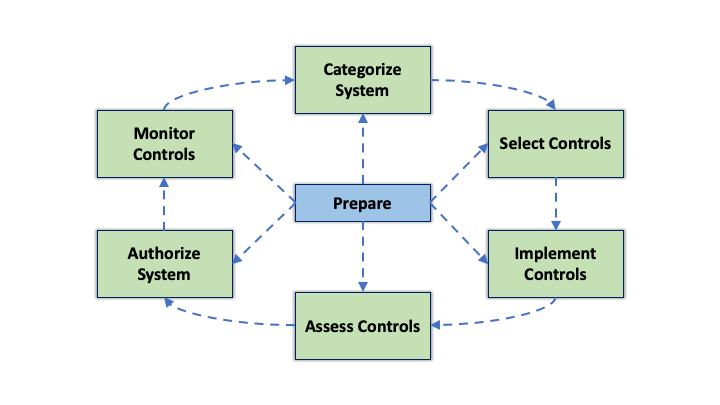
Automate security best practices. Humans make mistakes, especially when performing repetitive tasks. Automating your security processes reduces the chance of human error. You can create systems that automatically apply security configurations to new resources or respond to security events without manual intervention.
Protect data in transit and at rest. Data has two states: at rest (when it's stored on a disk) and in transit (when it's moving over a network). You need to protect it in both. This typically involves encryption. Encrypting data makes it unreadable to anyone without the proper decryption key.
Keep people away from data. The more people who can access your sensitive data, the higher the risk. Design your systems to minimize or eliminate the need for direct human access. Automate tasks so that people don't need to log in to servers or manually handle data. When access is necessary, make it temporary and grant the narrowest permissions possible.
Prepare for security events. No system is 100% secure. You should assume that an incident will happen and have a plan ready. An incident response plan details the steps you will take to detect, respond to, and recover from a security event. Practicing this plan helps ensure a swift and effective response, minimizing potential damage.
Ready to check your understanding of these core security ideas?
According to the AWS Shared Responsibility Model, what is the core division of security duties?
Which of the following is a customer's responsibility under the Shared Responsibility Model?
By embracing the shared responsibility model and applying these security principles, you can build applications and systems on AWS that are both powerful and secure.