Algorithmic Thinking and Data Structures
Introduction to Algorithmic Thinking
What Is an Algorithm?
You use algorithms every day, even if you don't realize it. A recipe for baking a cake is an algorithm. So are the instructions for assembling a bookshelf or the directions you follow to get to a new place. At its core, an algorithm is simply a set of rules or a step-by-step procedure for getting something done.
algorithm
noun
A finite sequence of well-defined, computer-implementable instructions, typically to solve a class of problems or to perform a computation.
For an instruction set to be a true algorithm, it must have a few key characteristics. It needs to be unambiguous, have a clear starting and stopping point, and produce a consistent result for the same input. Think about that cake recipe again. If a step said "add some sugar," that's too vague. How much is "some"? A good algorithm would say "add 1 cup of sugar."
An effective algorithm is:
- Finite: It must eventually stop.
- Well-defined: Each step is precise and unambiguous.
- Effective: Each step is simple enough to be carried out.
Computers need this level of precision. They don't have intuition or common sense. They just follow instructions exactly as they are given. This is why learning to think algorithmically is so crucial in computing. It’s about learning to speak the computer’s language of logic and precision.
Thinking Like a Problem Solver
Algorithmic thinking isn't just for programmers; it's a powerful approach to problem-solving in any field. It forces you to break down a large, complex problem into smaller, more manageable pieces. This process is called decomposition.
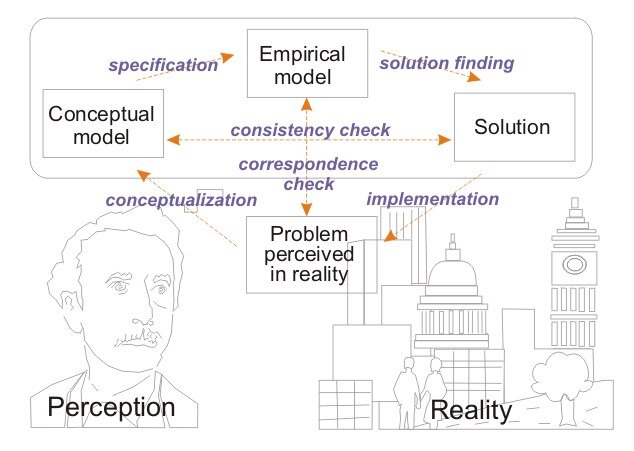
Imagine you're tasked with organizing a large company event. The overall problem, "plan the event," is huge. But you can decompose it into smaller tasks:
- Create a guest list.
- Find and book a venue.
- Arrange for catering.
- Send out invitations.
- Plan the schedule of activities.
Each of these smaller problems is much easier to solve. You can even break them down further. This is the essence of algorithmic thinking: turning an overwhelming challenge into a series of logical, achievable steps.
From Idea to Instruction
Once you've broken down a problem, the next step is to devise a plan to solve each piece. In computer science, we often start with a high-level description of the steps, which is sometimes written out in pseudocode.
pseudocode
noun
A plain language description of the steps in an algorithm or another system. It uses the structural conventions of a normal programming language, but is intended for human reading rather than machine reading.
Let's take a simple problem: finding the largest number in an unordered list of numbers. How would you instruct a computer to do this?
You could start by assuming the first number is the largest. Then, you'd go through the rest of the list, one number at a time. If you find a number that's larger than the one you're holding, you replace it. When you get to the end of the list, the number you're holding is the largest.
# An algorithm in pseudocode for finding the largest number

FUNCTION find_max(list_of_numbers):
  # Assume the first number is the largest to start
  SET largest_so_far = first number in list

  # Look at every other number in the list
  FOR EACH number in list_of_numbers:
    IF number > largest_so_far:
      # If we find a bigger one, update our variable
      SET largest_so_far = number

  # After checking all numbers, return the result
  RETURN largest_so_far
This step-by-step plan is clear, unambiguous, and guaranteed to work. It's a perfect example of a simple but powerful algorithm. This method of thinking—defining a clear goal, breaking it down, and creating precise steps to reach it—is the foundation for solving much more complex problems in computing and beyond.
Computational thinking, a process that allows us to think of complex problems in a way that can be resolved by a computer, is central to the new curriculum.
As you continue your journey in computer science, you'll find that this structured way of thinking is your most valuable tool. It allows you to build sophisticated software, analyze data, and create the technologies that shape our world.