Algorithm Analysis Essentials
Algorithm Basics
What is an Algorithm?
An algorithm is simply a set of step-by-step instructions for solving a problem or completing a task. Think of it like a recipe. A recipe gives you a list of ingredients (inputs) and a sequence of steps to follow. If you follow the steps correctly, you end up with a finished dish (output).
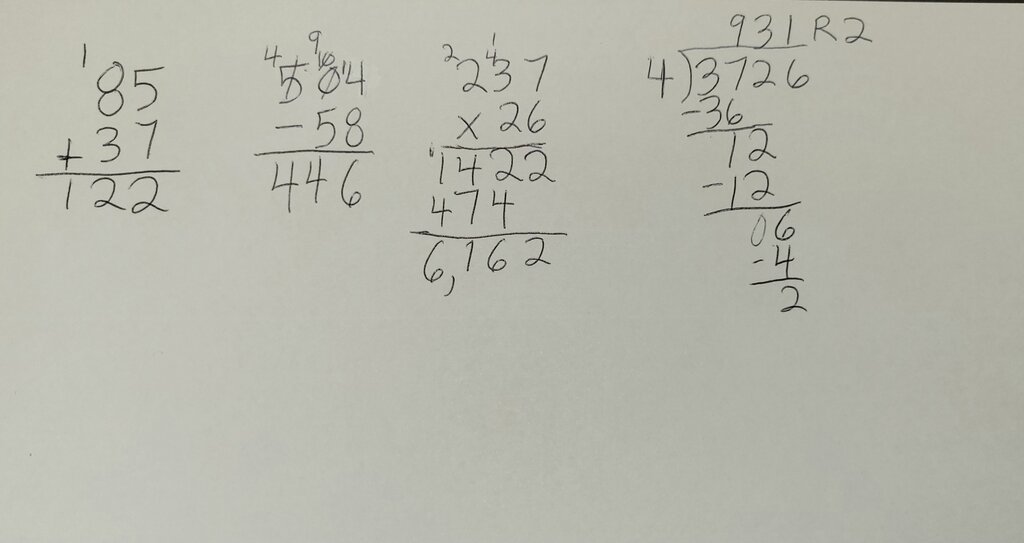
Algorithms are not just for computers. The method you learned for long division in school is an algorithm. So is the process for assembling flat-pack furniture.
In computer science, algorithms tell a computer exactly what to do. Computers are powerful, but they need precise instructions. They can't guess or improvise. The purpose of an algorithm is to provide a clear, unambiguous process that guarantees a correct and consistent result every time it's run with valid inputs.
The Building Blocks
Though algorithms can be complex, they are all built from a few simple components. Every algorithm has a clear start and end point. It takes some information, processes it through a series of actions, and produces a result.
The core of any algorithm is its sequence of operations. These steps often involve:
- Sequence: Performing instructions one after another in a specific order.
- Decision (or Selection): Making a choice. If a certain condition is true, do one thing; otherwise, do something else. This is often an "if-then-else" structure.
- Repetition (or Iteration): Repeating a set of instructions until a condition is met. This is often called a "loop."
// This is a simple example in pseudocode,
// a way of writing algorithms that's easy to read.

FUNCTION find_largest(numbers_list)
  SET largest_so_far = first number in list

  // Loop through the rest of the numbers
  FOR EACH number IN numbers_list
    // Make a decision
    IF number > largest_so_far THEN
      SET largest_so_far = number
    END IF
  END FOR

  // Return the output
  RETURN largest_so_far
END FUNCTION
This simple example uses all three building blocks to find the largest number in a list. It follows a sequence, makes decisions, and repeats a process.
Common Types of Algorithms
Algorithms are designed to solve specific types of problems. While there are countless algorithms, many fall into common categories. Two of the most fundamental are searching and sorting.
Searching Algorithm
noun
An algorithm designed to find a specific item or piece of data within a larger collection of data.
Imagine looking for a specific book in a massive, unorganized library. A simple searching algorithm would be to check every single book, one by one, until you find the one you're looking for. This is called a linear search.
Sorting Algorithm
noun
An algorithm that puts elements of a list into a certain order, such as numerical or alphabetical order.
If that library's books were sorted alphabetically by title, you could find your book much faster. You wouldn't need to check every book. Sorting algorithms are all about arranging data to make it more useful and easier to work with. There are many ways to sort, from simple methods like repeatedly finding the smallest item and moving it to the front, to more complex and efficient ones.
Algorithmic Thinking
Beyond just writing code, learning about algorithms teaches you a way of thinking. Algorithmic thinking is the process of breaking down a large, complex problem into a series of smaller, more manageable steps. It's about creating a clear, logical, and repeatable process to get from the problem to the solution.
This skill is valuable everywhere, not just in programming. It helps in planning a project, diagnosing a problem with your car, or even figuring out the most efficient way to run errands.
By developing this mindset, you learn to see problems not as big, scary obstacles, but as a series of logical puzzles that can be solved one step at a time. It trains you to be precise, to consider different possibilities, and to plan a path to a desired outcome. This structured approach to problem-solving is the true foundation of computer science and a powerful tool in any field.
Time to check your understanding of these core concepts.
Which of the following is the best analogy for an algorithm?
Which core algorithmic component is used to repeat a set of instructions until a condition is met?