Airbus A350 for Pilots
Aircraft Overview
A New Generation of Airliner
In the early 2000s, the aviation world was buzzing about Boeing's new 787 Dreamliner, a revolutionary aircraft promising incredible fuel efficiency thanks to its lightweight composite materials. Airlines were placing orders, and Airbus needed an answer. Their initial proposal was a modernized version of their existing A330, but customers wanted something entirely new.
Airbus went back to the drawing board. The result was the A350, a clean-sheet design ready to compete head-to-head with the Dreamliner. The project was officially launched in 2006 with a new designation: the A350 XWB, which stands for Xtra Wide Body. This name highlighted a key design feature—a wider, more spacious cabin for improved passenger comfort.
The development process was a massive undertaking, involving advanced new manufacturing techniques and materials. The goal was to create an aircraft that was not only comfortable but also significantly more efficient and environmentally friendly than previous generations. After years of design, testing, and certification, the first A350 was delivered to its launch customer, Qatar Airways, in late 2014.
Lightweight and High-Tech
What makes the A350 so special? A major factor is its construction. Over 50% of the aircraft's structure is made from advanced composite materials, primarily Carbon Fiber Reinforced Polymer (CFRP). This makes the plane lighter, stronger, and more resistant to corrosion than traditional aluminum aircraft. A lighter plane burns less fuel, which reduces operating costs for airlines and lowers carbon emissions.
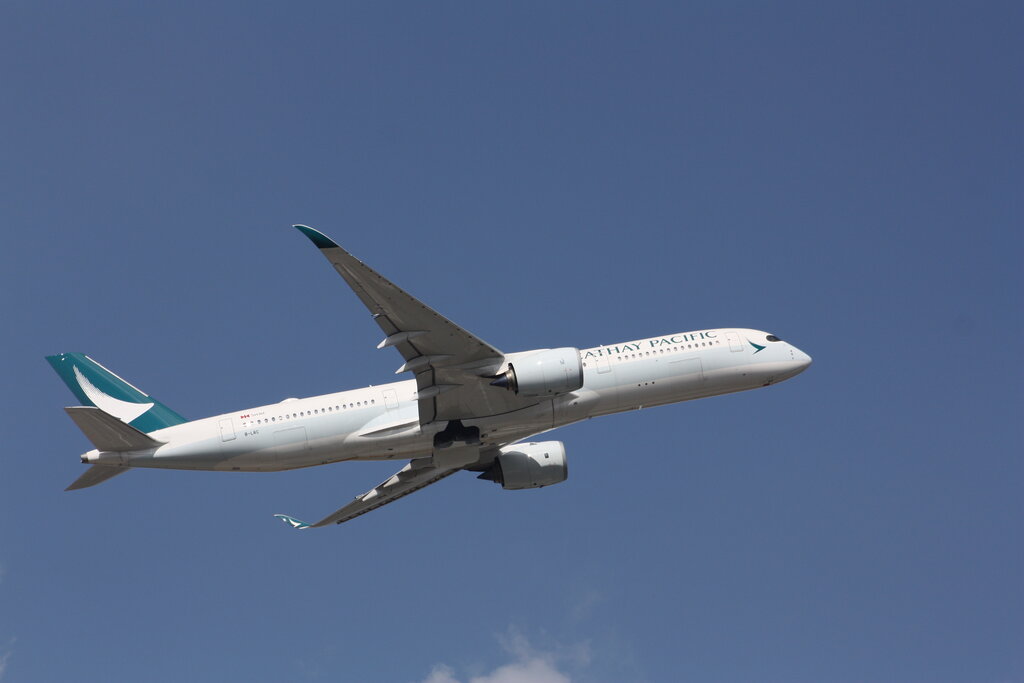
The wings are an aerodynamic marvel. They are long, slender, and feature distinctive, curved wingtips that Airbus calls 'sharklets'. These wings can change shape subtly during flight, optimizing their form for different phases like takeoff, cruising, and landing. This adaptability reduces drag and further improves fuel efficiency.
The A350 is powered by new-generation Rolls-Royce Trent XWB engines. These are some of the most efficient and quietest large jet engines ever built, contributing significantly to the aircraft's performance and making for a more pleasant experience for both passengers and people on the ground.
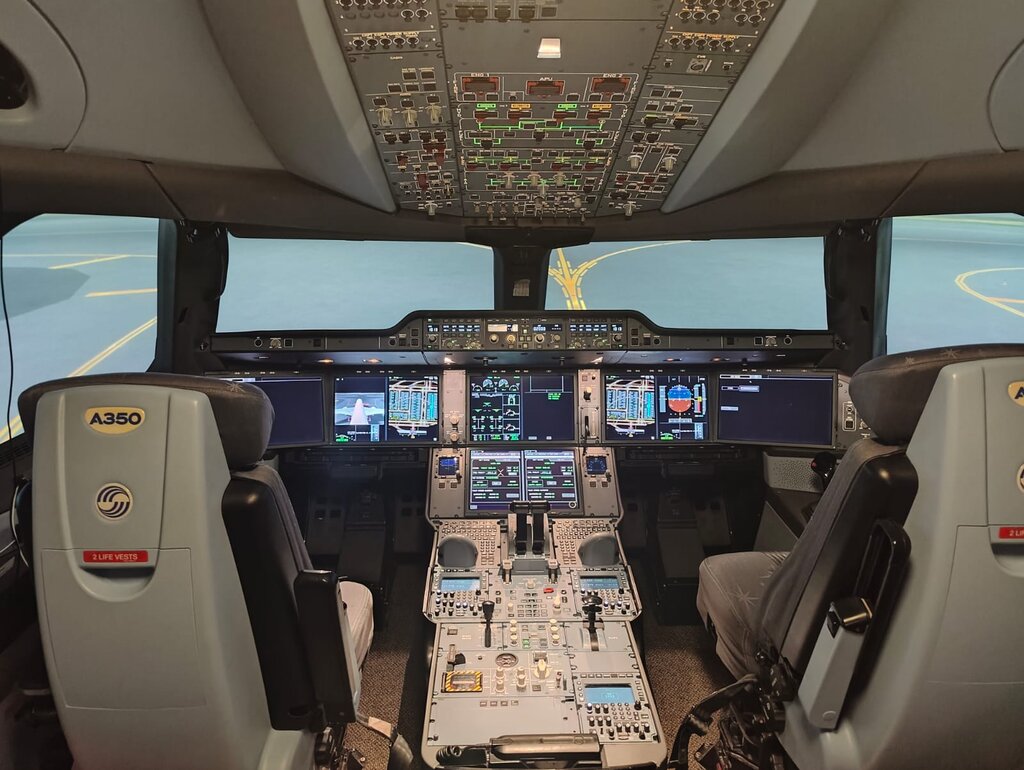
Pilots benefit from an advanced cockpit with large, high-resolution screens that can display a wide range of flight information. This 'glass cockpit' design enhances situational awareness and reduces pilot workload.
The A350 Family
The Airbus A350 comes in two main versions, designed to meet different airline needs for range and passenger capacity.
| Feature | A350-900 | A350-1000 |
|---|---|---|
| Passengers | ~300-350 | ~350-410 |
| Length | 66.8 m (219 ft) | 73.79 m (242 ft) |
| Range | 15,000 km (8,100 nmi) | 16,100 km (8,700 nmi) |
| First Flight | June 2013 | November 2016 |
The A350-900 is the base model and the first version that entered service. It's a versatile aircraft capable of flying long-haul routes efficiently. There's also an ultra-long-range variant, the A350-900ULR, which is used for some of the world's longest non-stop flights, such as Singapore to New York.
The A350-1000 is the larger sibling, with a stretched fuselage that allows it to carry more passengers. It is designed to compete with Boeing's largest twin-engine jets on high-density routes, offering airlines a large, efficient aircraft for their busiest international flights.
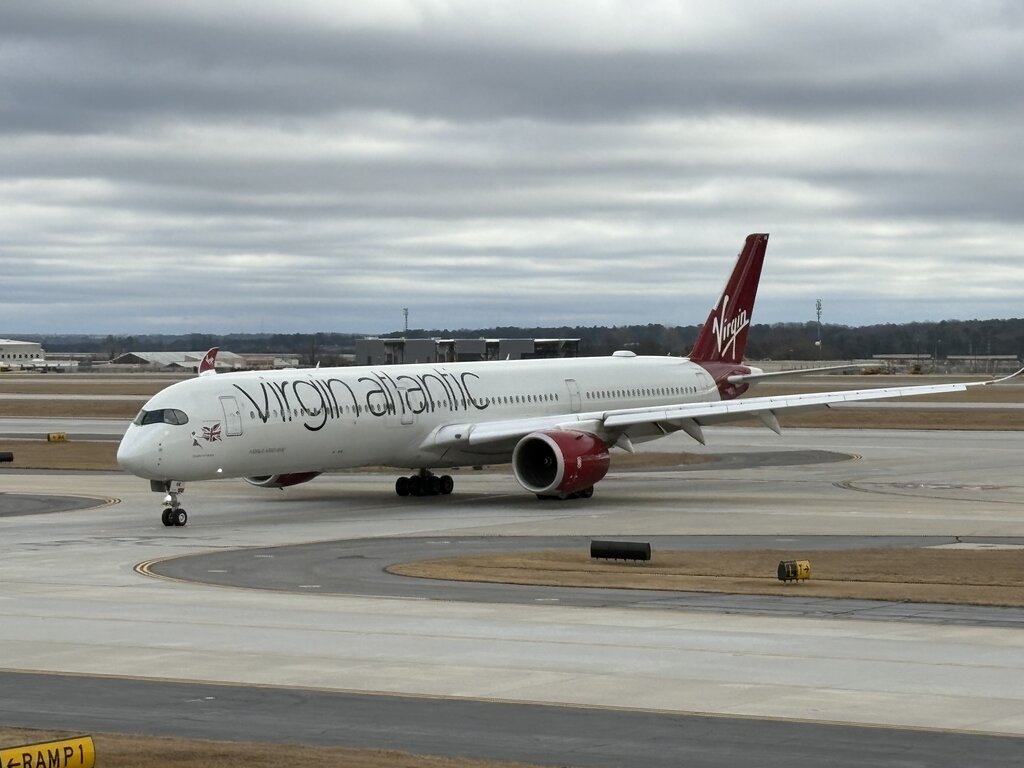
In modern aviation, the A350 plays a crucial role. It allows airlines to operate long-haul, point-to-point routes more profitably. Instead of relying on massive hub airports, airlines can offer direct flights between more cities, saving travelers time and hassle. Its fuel efficiency and lower noise levels also help airlines meet stricter environmental regulations, making it a key player in the move toward more sustainable air travel.
Ready to test your knowledge?
What does the 'XWB' in the Airbus A350 XWB designation stand for?
The primary benefit of using over 50% composite materials like CFRP in the A350's airframe is...
The A350 represents a significant leap forward in aircraft design, combining advanced materials, aerodynamics, and engine technology to create a family of highly efficient and capable long-haul airliners.