AI-Powered Learning Explained
Introduction to AI in Education
What is AI?
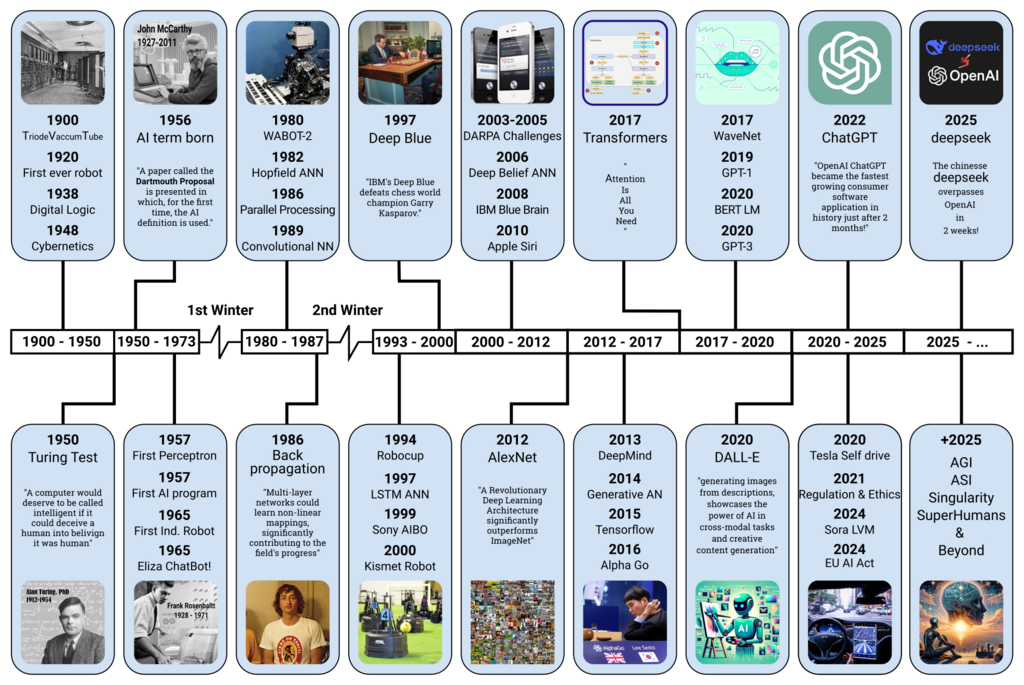
Artificial intelligence, or AI, is the simulation of human intelligence in machines. At its core, it's about creating systems that can learn, reason, problem-solve, and understand language. The idea isn't new; thinkers have dreamed of intelligent machines for centuries. But only recently has technology, especially computing power, caught up with the ambition.
The journey of AI began as a field of academic study in the 1950s. Early researchers were optimistic, believing a machine as intelligent as a human was just a few decades away. Progress was slower than expected, but steady. Key breakthroughs, like the development of machine learning, allowed computers to learn from data without being explicitly programmed for every single task. This shift from programmed rules to learned patterns is what fuels the AI tools we see today.
AI in the Classroom
When people think of AI in education, they often picture a robot teacher. The reality is both more subtle and more powerful. AI is being integrated into educational tools to support, not replace, the work of human educators.
One of the biggest applications is personalized learning. AI systems can analyze a student's performance in real-time, identifying areas where they're struggling or excelling. Based on this, the system can recommend specific exercises, reading materials, or videos to create a learning path tailored to that individual's needs. This means a student who grasps a concept quickly can move on, while another who needs more practice gets the support they require.
AI also works behind the scenes to help teachers. It can automate administrative tasks like grading multiple-choice quizzes or managing schedules. This frees up valuable time for teachers to focus on what they do best: inspiring, mentoring, and connecting with their students.
Other applications include intelligent tutoring systems that provide instant feedback and guidance on complex problems, and tools that help create engaging educational content like interactive simulations or quizzes. The goal is to make learning more effective, efficient, and accessible.
The Benefits
Integrating AI into education brings several key advantages. The most significant is the ability to scale personalized instruction. In a traditional classroom, it's challenging for one teacher to provide individualized attention to thirty different students. AI tools can help bridge that gap, giving each learner a more customized experience.
Artificial intelligence (AI) has the potential to tackle some of the biggest challenges in today’s education landscape, innovate teaching and learning practices and accelerate progress in learning.
Another benefit is accessibility. AI-powered tools can provide support for students with diverse learning needs. For example, text-to-speech technology can help students with reading difficulties, while translation tools can assist those learning in a non-native language. It helps level the playing field, ensuring every student has the resources to succeed.
Finally, AI can boost engagement by making learning more interactive. Instead of just reading a textbook, students can interact with AI simulations, get instant answers from a chatbot tutor, or participate in adaptive games that make learning fun. This creates a more dynamic and active learning environment.
According to the text, what is the core concept behind Artificial Intelligence (AI)?
What key development shifted AI from relying on explicitly programmed rules to learning from data?
These concepts form the foundation of how AI is beginning to reshape education, offering new tools for both teachers and students.