AI Influencers Explained
Introduction to AI Influencers
Meet the Virtual Stars
Scroll through your social media feed, and you’ll see them: perfectly curated photos, engaging stories, and thousands of followers. But some of these popular figures aren't human. They are AI influencers, digital characters created with computer graphics and artificial intelligence. They have unique personalities, backstories, and even brand partnerships, just like their human counterparts.
Virtual Influencer
noun
A digital character created using computer-generated imagery (CGI) and artificial intelligence, who has a social media persona and is used for marketing and influence.
These digital personalities are designed by creative teams or companies to look and act like real people. They post about their “lives,” share opinions, and interact with their followers. The goal is to build a community and influence audience behavior, blurring the line between the real and the digital world.
From Sci-Fi to Social Feed
The idea of a virtual personality isn’t entirely new. The concept first gained traction in Japan in 1996 with Kyoko Date, a virtual pop idol created by a talent agency. She released music, had a fan club, and was an early glimpse into the potential of digital celebrities. However, the technology was complex and expensive, keeping such creations in a niche corner of entertainment.
Fast forward two decades. In 2016, a character named Lil Miquela appeared on Instagram. She was a freckled, CGI teenager from California who posted about fashion, music, and social causes. Her realism and relatable persona captured global attention, and she quickly amassed millions of followers. Miquela marked a turning point, proving that virtual influencers could thrive on mainstream social media platforms.
The Tech Behind the Persona
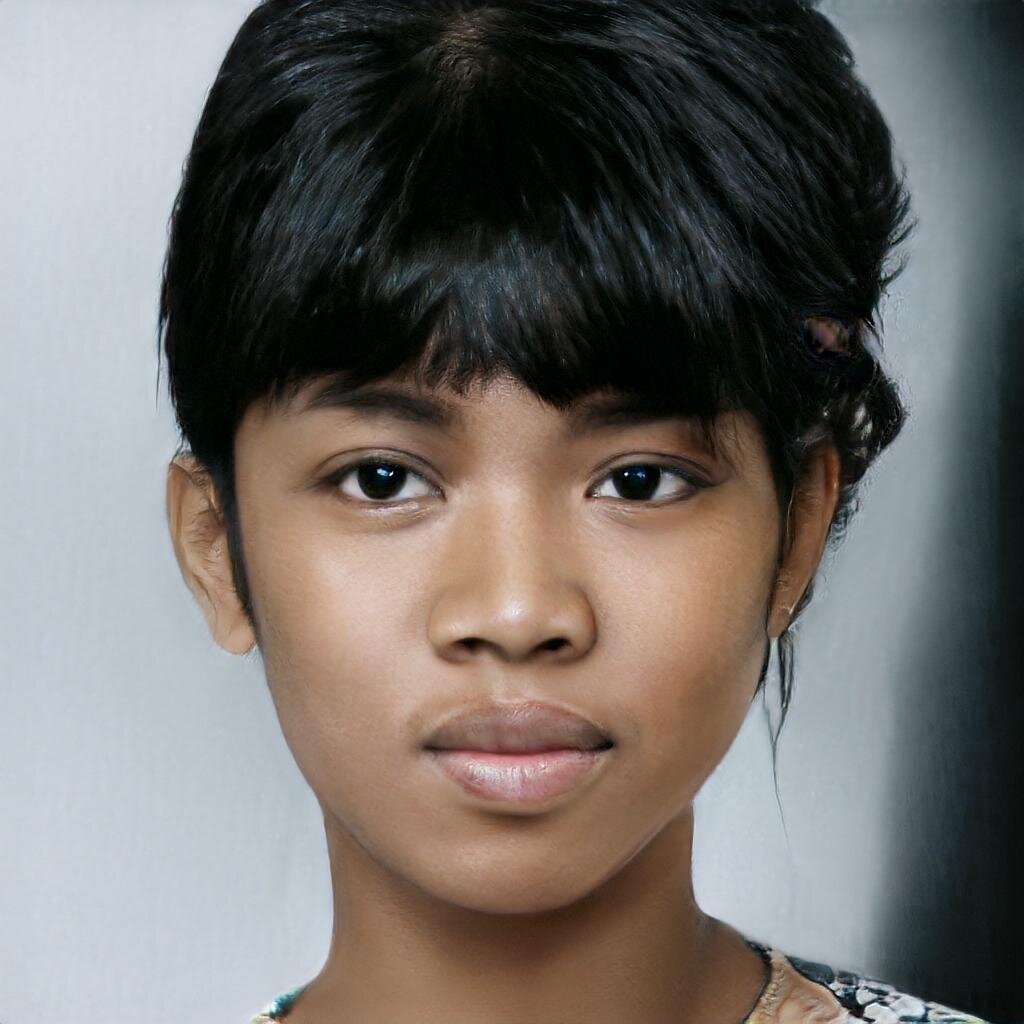
Creating a convincing virtual influencer requires a blend of artistry and advanced technology. The process usually starts with 3D modeling and computer-generated imagery (CGI), the same technology used in movies and video games, to craft the character's appearance. Artists design every detail, from facial features to fashion style.
Artificial intelligence plays a crucial role in bringing these characters to life. Machine learning algorithms, especially Generative Adversarial Networks (GANs), have been instrumental. A GAN consists of two neural networks, a generator and a discriminator, that work against each other. The generator creates images (like a human face), and the discriminator tries to tell if the image is real or fake. This process repeats millions of times, with the generator getting progressively better at creating hyper-realistic images that can fool the discriminator—and the human eye.
More recently, generative AI helps craft their personalities, write their social media captions, and even power their interactions with followers through chatbots, making them seem more responsive and real.
These digital beings exist wherever human influencers do. You can find them on Instagram, sharing stylized photos and stories. They host live streams on Twitch, create dance videos on TikTok, and post vlogs on YouTube. Some even have their own music on Spotify. They operate within the same digital ecosystems, competing for the same attention as everyone else.
Now that you've met the virtual stars, test your knowledge on how they're made and where they came from.
What was the name of the pioneering virtual pop idol created in Japan in 1996?
Which technology is primarily responsible for creating hyper-realistic images of AI influencers by pitting two neural networks against each other?
As technology continues to evolve, the creation of these digital personas becomes more accessible, suggesting their presence in our digital lives is only set to grow.