AI in Coding
Introduction to AI in Coding
AI Enters the Coding Arena
For decades, writing software was a purely human endeavor. A developer would stare at a blank screen, think through a problem, and translate their logic into code, line by line. The tools were simple: text editors, compilers to turn code into runnable programs, and debuggers to hunt for mistakes. These tools helped manage complexity, but the creative and logical heavy lifting was all on the developer.
Over time, tools got smarter. We saw the rise of Integrated Development Environments (IDEs), which bundled editors, compilers, and debuggers into one package. They introduced features like syntax highlighting and basic code completion, which felt like a huge leap forward. But these were still just helpful assistants, not true collaborators. They could point out a typo, but they couldn't help you think.
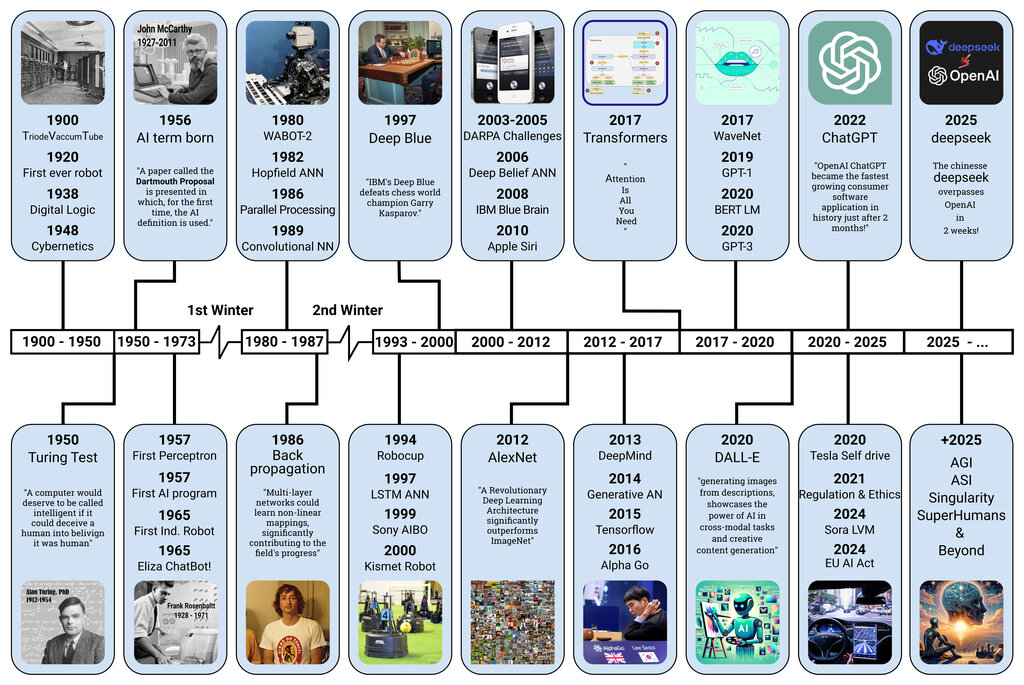
The recent explosion in Artificial Intelligence, particularly in Large Language Models (LLMs), has changed the game entirely. The evolution wasn't overnight. It built on decades of research into machine learning and neural networks. Now, AI is more than just a tool. It's a partner in the coding process, capable of understanding natural language, generating code, and even reasoning about complex problems.
The Modern Coder's Toolkit
AI coding assistants aren't a single type of tool. They come in various forms, each designed to help at different stages of development. Think of them as specialized members of your team.
Some tools act like a seasoned pair programmer, suggesting entire blocks of code as you type. Others are expert detectives, analyzing your code to find bugs or security vulnerabilities that are easy to miss. Still others are like patient mentors, explaining complex code snippets in plain English.
These tools can be standalone applications, but they are most powerful when integrated directly into the developer's IDE. This seamless integration means the AI's help is available right where the code is being written, without breaking the developer's flow. Common categories of these AI tools include:
- Code Generation: Creating code from a natural language description (a "prompt").
- Code Completion: Suggesting the next line or block of code based on context.
- Debugging and Error Detection: Identifying and suggesting fixes for bugs.
- Code Translation: Converting code from one programming language to another.
- Documentation: Generating comments and documentation for existing code.
AI code generation involves using software tools, powered by Artificial Intelligence (AI) and Machine Learning (ML), to write computer code.
Coding Faster and Smarter
So, why is this shift so important? The benefits of AI-assisted coding are tangible and impact developers of all skill levels. The most obvious advantage is speed. AI can automate repetitive and boilerplate tasks, freeing up developers to focus on the more creative and challenging aspects of problem-solving. Instead of spending an hour writing a routine function, a developer can generate it in seconds.
Think of it like building with pre-fabricated parts versus making every brick by hand. You can construct the building much faster, allowing you to spend more time on architectural design and interior details.
Beyond speed, AI also enhances code quality. By catching errors early and suggesting best practices, these tools help produce code that is more robust, secure, and maintainable. For newcomers to programming, AI acts as a powerful learning aid. It provides instant feedback and can explain complex concepts on the fly, accelerating the journey from novice to proficient.
This doesn't mean the human developer is obsolete. Far from it. The role is simply evolving. The focus shifts from writing lines of code to guiding the AI, evaluating its output, and making high-level architectural decisions. It's a partnership that elevates the developer's role to that of a problem-solver and system designer.
Before the recent AI boom, what was the primary role of tools like Integrated Development Environments (IDEs)?
Which of the following is NOT described as a primary category of AI coding assistants?
Now that you have a foundational understanding, we can explore how these tools work in practice.