AI Governance Fundamentals
Introduction to AI Governance
Why AI Needs Rules of the Road
Artificial intelligence is no longer just a concept from science fiction; it's a part of our daily lives. It recommends movies, helps doctors diagnose diseases, and even assists in flying planes. But as AI becomes more powerful and integrated into society, a critical question arises: how do we ensure it's used safely, ethically, and for the benefit of everyone?
The answer lies in AI governance. Think of it like the rules of the road. We have traffic laws, speed limits, and driver's licenses not to stop people from driving, but to ensure they do so in a way that is safe and predictable for everyone. AI governance applies the same logic to artificial intelligence.
What is AI governance? At its core, it's the system of policies, structures, and practices that ensure AI is developed and used in a trustworthy, ethical, and lawful manner.
The main goal of AI governance is to steer the development and use of AI in a direction that aligns with human values. It involves setting up guidelines and assigning responsibility to make sure AI systems are accountable, transparent, and fair. It's about proactively shaping the future of AI, rather than just reacting to problems after they occur.
The Role of Ethics
At the heart of AI governance is a commitment to ethics. An AI system can be technically brilliant but still cause harm if it operates on flawed or biased principles. For example, an AI tool designed to screen job applicants could inadvertently discriminate against certain groups if its training data reflects historical hiring biases.
Bias
noun
A prejudice in favor of or against one thing, person, or group compared with another, usually in a way considered to be unfair. In AI, bias can be baked into algorithms through skewed data or flawed assumptions.
Ethical standards provide a moral compass for AI development. They push us to consider fundamental questions: Is this AI system fair? Is it transparent in its decision-making? Who is accountable if it makes a mistake? Building AI on a foundation of strong ethical principles helps prevent negative outcomes and ensures the technology serves humanity.
Navigating Potential Risks
Without effective governance, AI systems can pose significant risks. These aren't just about robots taking over the world; the dangers are often more subtle and immediate.
One major risk is the 'black box' problem. Some advanced AI models are so complex that even their creators don't fully understand how they arrive at a particular decision. This lack of transparency makes it difficult to detect errors, correct biases, or hold anyone accountable when things go wrong.
Another risk is unintended consequences. An AI optimized for a single goal, like maximizing engagement on a social media platform, might learn to promote sensational or divisive content to achieve that goal, with harmful effects on public discourse. Governance provides the necessary checks and balances, forcing developers to consider the broader impact of their creations and build in safeguards.
Building a Foundation of Trust
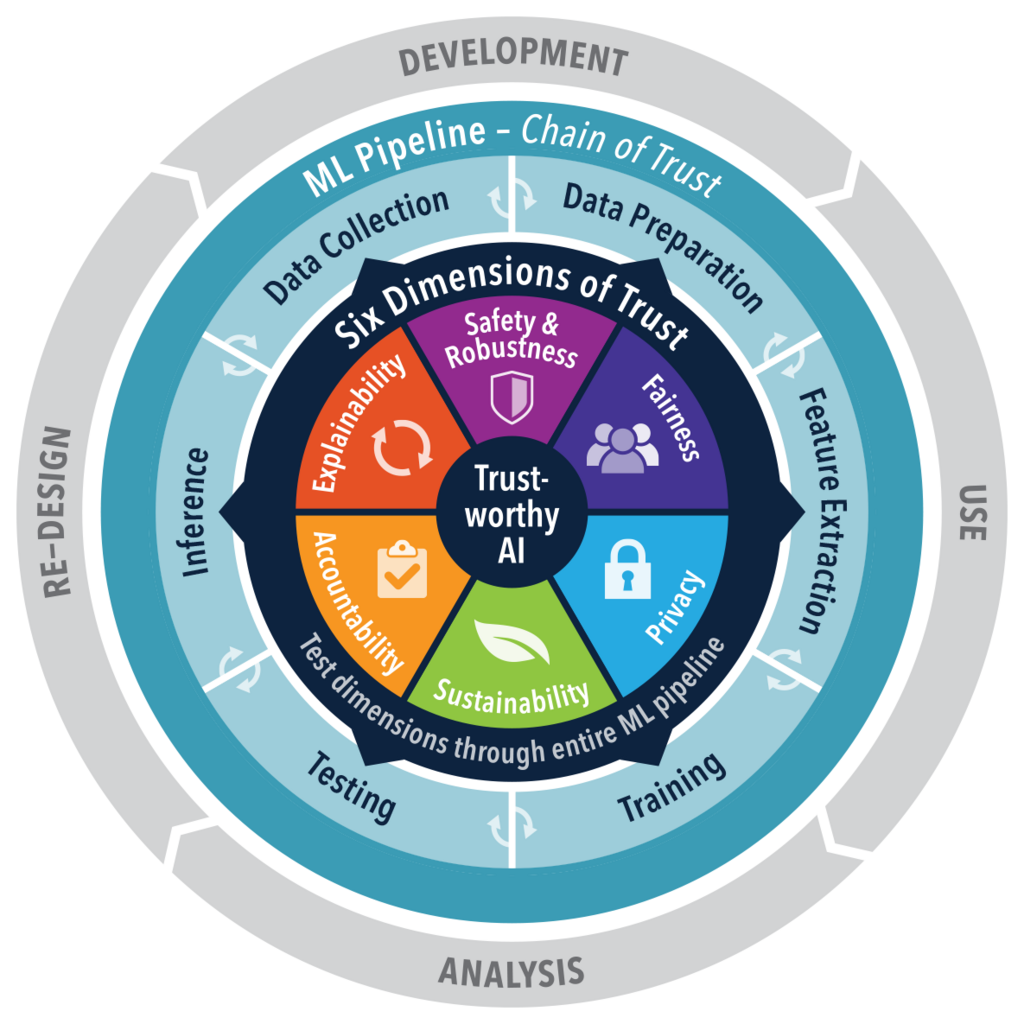
Ultimately, the goal of AI governance is to build trust. For people to feel comfortable using and relying on AI systems in critical areas like healthcare, finance, and transportation, they need to trust that these systems are safe, reliable, and aligned with their interests. You wouldn't get into a self-driving car if you didn't trust its ability to navigate traffic safely.
Effective governance frameworks provide this assurance. By establishing clear rules for data privacy, mandating transparency, and creating mechanisms for accountability, governance makes AI systems more predictable and dependable. This fosters the public confidence necessary for the widespread adoption of AI technologies.
Governance isn't about slowing down innovation. It's about ensuring that as we innovate, we're building a future with AI that is not only powerful but also responsible and trustworthy.
Before we wrap up, let's review the key ideas from this section.
Ready to test your understanding?
The primary goal of AI governance is to steer the development and use of AI in a direction that aligns with human values.
According to the text, what is the 'moral compass' for AI development?
AI governance provides the essential guardrails to guide this powerful technology. By prioritizing ethics, managing risks, and building trust, we can work toward a future where AI safely and effectively benefits all of society.