AI for Program Management
Introduction to Artificial Intelligence
What Is AI?
Artificial intelligence is the science of making machines that can think and learn like humans. It’s a broad field in computer science focused on creating systems that can perform tasks that typically require human intelligence. This includes things like recognizing speech, making decisions, and translating languages.
Artificial Intelligence
noun
A branch of computer science dealing with the simulation of intelligent behavior in computers.
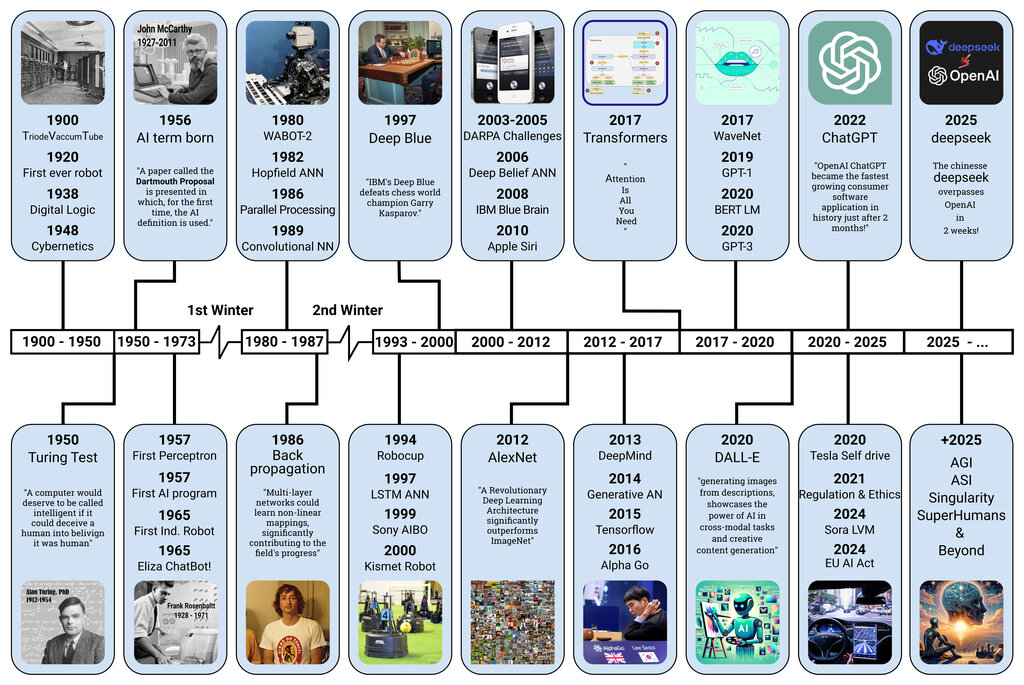
The dream of creating intelligent machines isn't new, but the official field of AI was born at a workshop at Dartmouth College in 1956. It was there that computer scientist John McCarthy coined the term "artificial intelligence." Early researchers were optimistic, believing that a machine as intelligent as a human being would exist in just a few decades. The reality, of course, has been more complex.
The Two Main Types of AI
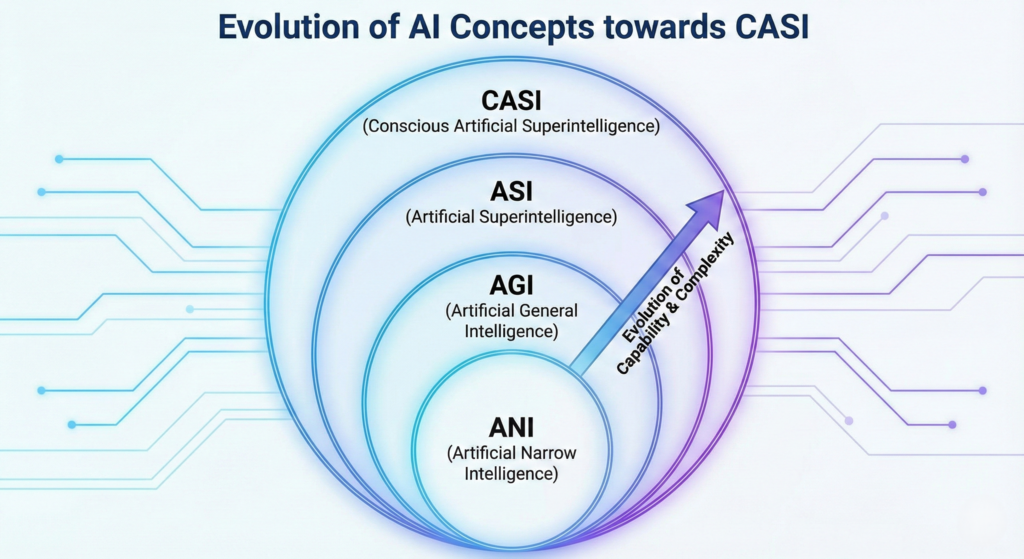
When people talk about AI, they are usually referring to one of two categories: narrow AI or general AI.
Artificial Narrow Intelligence (ANI), or Weak AI, is what we have today. These systems are designed to perform a single specific task, like playing chess, recognizing faces, or answering questions. Your smartphone's voice assistant and the recommendation engine on a streaming service are both great examples of ANI. They can be incredibly powerful at their one job, but they can't operate outside of it.
Artificial General Intelligence (AGI), or Strong AI, is the kind of AI you see in science fiction. This is a hypothetical machine with the ability to understand, learn, and apply knowledge across a wide range of tasks at a human level. An AGI could switch from composing a symphony to solving a complex physics problem without needing to be reprogrammed. We are still a long way from achieving AGI.
The Building Blocks of AI
Artificial intelligence isn't a single thing; it's an umbrella term for several different subfields. Three of the most important are Machine Learning, Natural Language Processing, and Computer Vision.
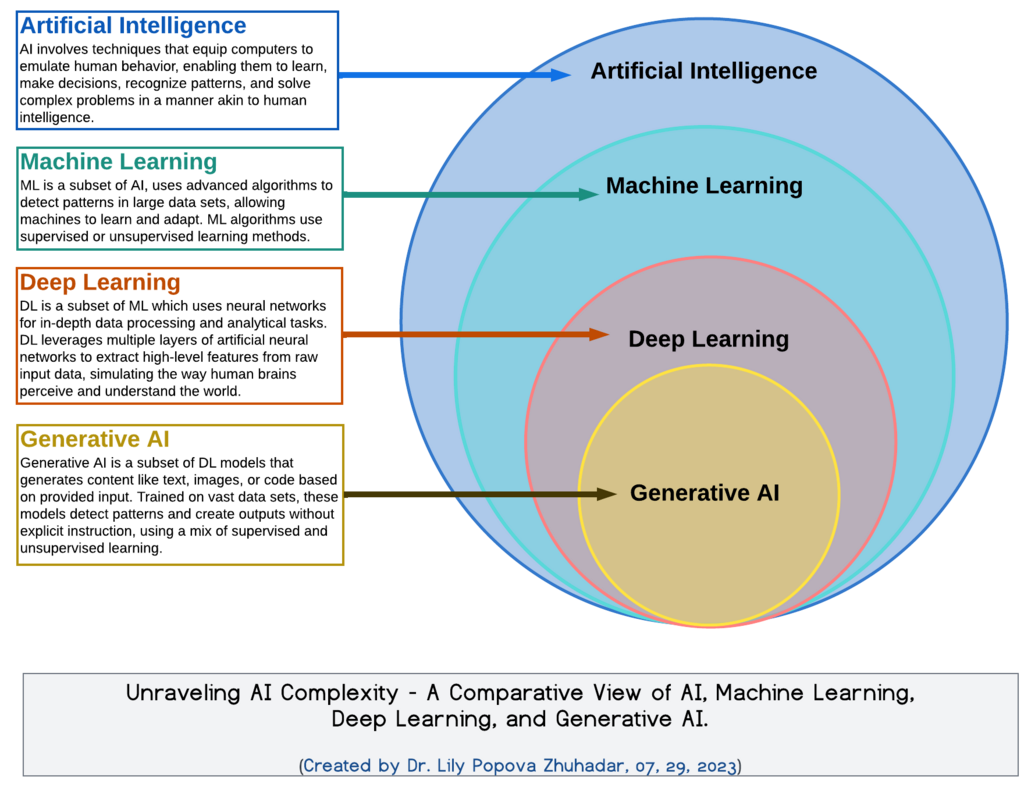
Machine Learning (ML) is the most common form of AI. Instead of being explicitly programmed with rules, an ML system learns patterns directly from data. It's like teaching a child to recognize a cat by showing them lots of pictures of cats, rather than by listing out the features of a cat. ML powers everything from spam filters to stock market predictions.
Natural Language Processing (NLP) focuses on the interaction between computers and human language. NLP allows machines to read, understand, and generate text and speech. When you ask a chatbot a question or use a translation app, you're using NLP.
Computer Vision is the field dedicated to helping computers "see" and interpret the visual world. Using images and videos, computer vision systems can identify objects, people, and places. This technology is crucial for self-driving cars to navigate roads and for facial recognition systems.
Ethics and Impact
As AI becomes more integrated into our lives, it raises important questions. The development and use of these powerful tools come with a responsibility to consider their ethical and societal consequences.

Ethical considerations include issues of bias, privacy, and accountability. For example, if an AI system is trained on biased data, it can produce biased outcomes, leading to unfair decisions in areas like hiring or loan applications. Who is responsible when an AI makes a mistake? How do we protect personal data when AI systems require so much of it to learn?
AI's societal impact is already vast. It's transforming industries from healthcare to finance, creating new jobs while making others obsolete. It has the potential to solve some of the world's biggest problems, like climate change and disease, but it also presents challenges that require careful planning and regulation.
Building trustworthy AI is not just a technical challenge; it's a social one. It requires collaboration between developers, policymakers, and the public to ensure these technologies are used safely and for the benefit of all.
Now, let's test your knowledge on these foundational AI concepts.
The term "artificial intelligence" was officially coined at which foundational event?
Which AI subfield is primarily concerned with enabling computers to understand and interpret the visual world from images and videos?
Understanding these basics is the first step in grasping the power and potential of artificial intelligence.