AI Data Engineering Essentials
Introduction to Data Engineering
The Foundation of Modern Tech
Most of the technology we use today, from recommendation engines to artificial intelligence, runs on data. But data in its raw form is often a mess—it's disorganized, inconsistent, and comes from many different places. Before it can be used to power a slick app or train a smart algorithm, it needs to be collected, cleaned, and organized. This is the world of data engineering.
Think of data engineering as the behind-the-scenes hero that makes sense of the massive amounts of data modern companies deal with every day.
Data engineering is the practice of designing and building systems for collecting, storing, and analyzing data at scale. If data scientists and AI models are the race car drivers, data engineers are the ones who build the racetrack, the pit crew, and the high-performance fuel. They create the infrastructure that makes everything else possible.
The Data Lifecycle
Data doesn't just appear ready for use. It goes on a journey, a lifecycle managed by data engineers. This process ensures that raw information from various sources is transformed into a reliable and accessible asset. This lifecycle generally follows four key stages.
Ingestion
noun
This is the first step, where data is collected from its various sources. This could be anything from user activity on a website, sensor data from a factory, or records from a sales database. The goal is to move this raw data into a central system.
Once data is ingested, it needs a place to live. That's storage. Data engineers choose and manage the right kind of storage systems, like data warehouses or data lakes, depending on the type and volume of data. The key is to make it secure but also easy to access for those who need it.
Next comes processing. Raw data is rarely usable as-is. It might have errors, missing values, or be in the wrong format. During processing, data is cleaned, transformed, and enriched to make it consistent and reliable. This is often where the famous ETL (Extract, Transform, Load) or ELT (Extract, Load, Transform) processes happen.
Finally, governance is the set of practices and policies that ensure data is high-quality, secure, and compliant with regulations. It involves managing who can access data, tracking its lineage, and making sure it's used ethically. Good governance builds trust in the data.
Fueling Artificial Intelligence
So, how does this connect to AI? Artificial intelligence and machine learning models learn from data. Their performance is entirely dependent on the quality of the data they are trained on. You've probably heard the phrase "garbage in, garbage out"—it's especially true for AI.
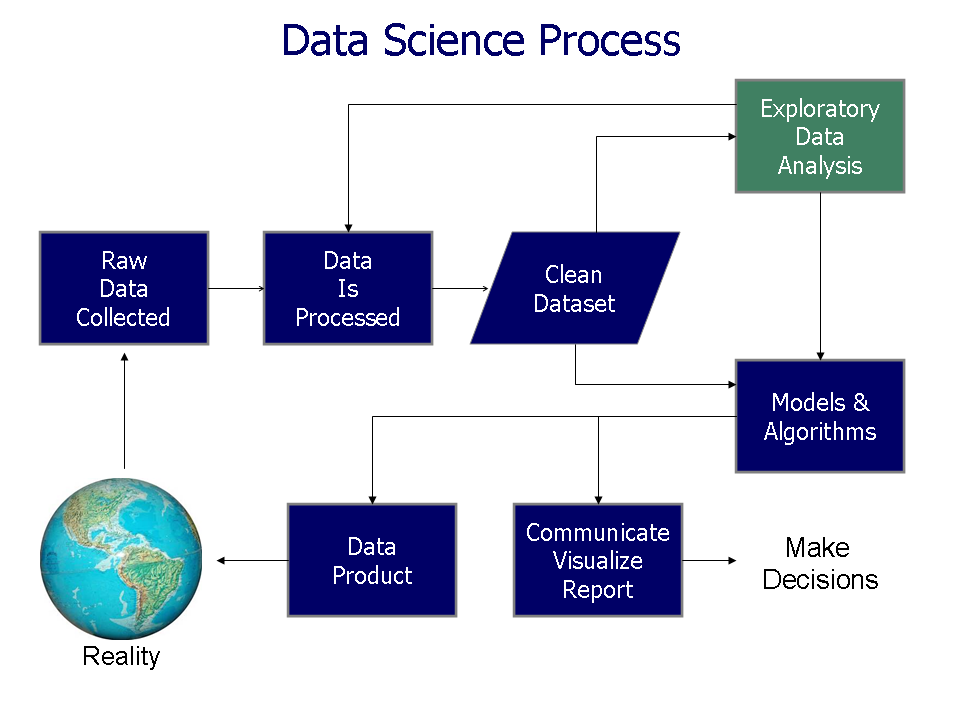
Data engineering provides the clean, structured, and reliable data that AI systems need to function effectively. Without a solid data foundation, an AI model might make inaccurate predictions or fail to work at all. Data engineers build the robust pipelines that continuously feed high-quality data to these systems, enabling them to learn, adapt, and provide valuable insights.
An AI system can't be smart without smart data. Data engineering is what makes the data smart.
Which statement best describes the primary role of data engineering?
The phrase "garbage in, garbage out" highlights the importance of data engineering for AI because high-quality data is essential for training effective AI models.
Data engineering isn't just a technical background task; it's the critical first step in unlocking the value of data and the power of AI.