AI and Machine Learning Fundamentals
Introduction to AI and ML
What Are AI and Machine Learning?
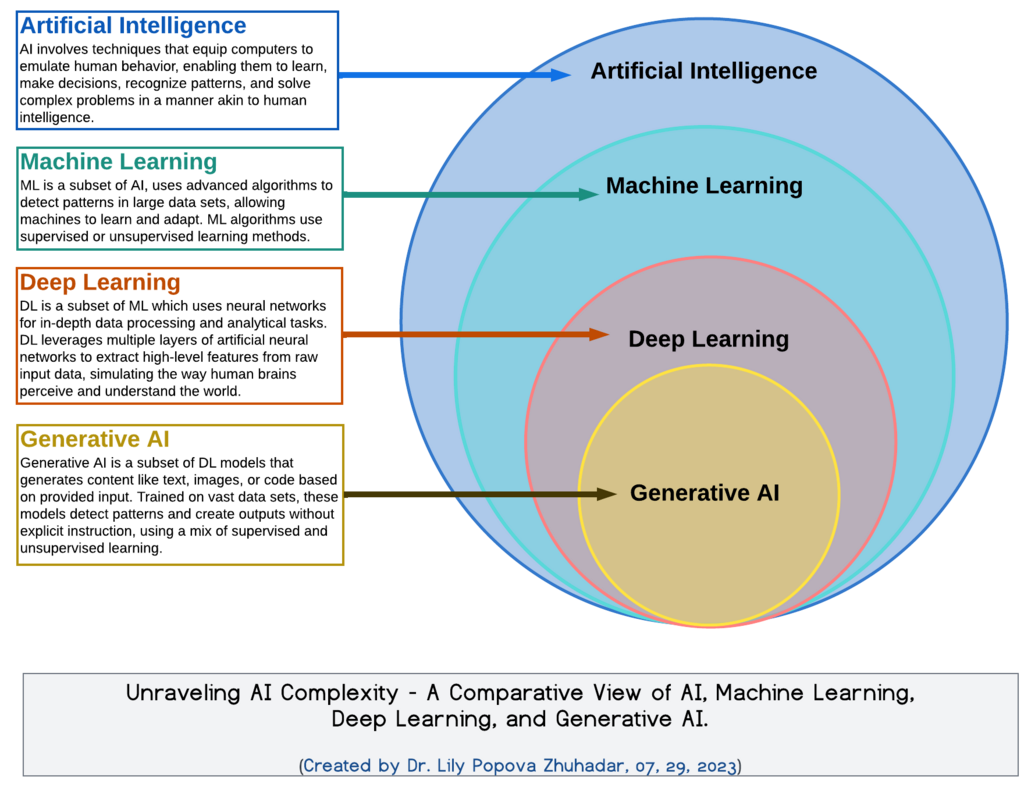
Artificial Intelligence, or AI, is a broad field of computer science focused on creating machines that can perform tasks that typically require human intelligence. This includes things like reasoning, learning, problem-solving, and understanding language.
Think of it like teaching a computer to think. Instead of giving it a rigid set of instructions for every single possibility, you build a system that can adapt and make its own decisions. Early AI tried to do this by programming complex sets of rules, like a giant, intricate flowchart. This worked for well-defined problems, like playing chess, but it struggled with the messiness of the real world.
Artificial Intelligence
noun
The theory and development of computer systems able to perform tasks that normally require human intelligence.
That's where Machine Learning comes in. It represents a major shift in how we approach AI. Instead of writing rules, we let the machine create its own by learning from data. Machine Learning (ML) is a subset of AI that uses statistical techniques to enable computer systems to "learn" from experience without being explicitly programmed.
Machine Learning
noun
A subset of artificial intelligence (AI) that focuses on building systems that learn from and make predictions on data.
So, all Machine Learning is AI, but not all AI is Machine Learning. ML is the most common and powerful tool we have today for building intelligent systems. It’s the engine that drives many of the AI applications you use every day. Other areas of AI include things like robotics, knowledge representation, and planning.
A Brief History
The idea of intelligent machines has been around for centuries, but the formal field of AI research began in the 1950s. The term "Artificial Intelligence" was coined at a workshop at Dartmouth College in 1956, where pioneers of the field gathered to explore the possibility of creating thinking machines.
Early research was optimistic, leading to successes in solving logic problems and playing games. However, progress stalled a couple of times in periods known as "AI winters." The initial rule-based approach was brittle and couldn't scale to handle complex, real-world problems. The computers of the time also lacked the necessary processing power and data storage.
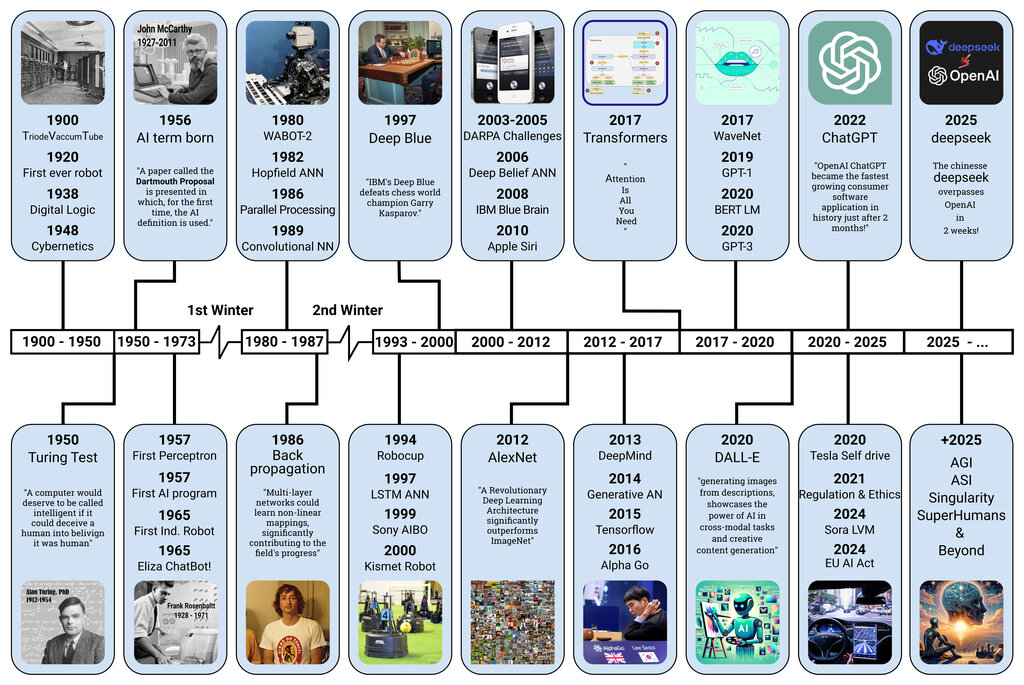
Things changed dramatically with the rise of Machine Learning. The focus shifted from programming intelligence to enabling systems to learn it. This shift, combined with the explosion of big data and massive increases in computing power, has fueled the rapid advancements we've seen in recent years. Today, ML is the driving force behind AI's most impressive achievements.
Why AI and ML Matter
AI and ML are no longer just concepts in science fiction; they are transforming industries and reshaping our daily lives. The ability to analyze massive datasets and find hidden patterns allows us to solve complex problems in ways that were previously impossible.
In healthcare, ML models can analyze medical images to detect diseases like cancer earlier and more accurately than a human can. In finance, AI systems monitor transactions in real-time to identify and prevent fraudulent activity. Entertainment services like Netflix and Spotify use ML to learn your preferences and recommend movies and music you'll love. E-commerce sites use it to personalize your shopping experience, and navigation apps use it to find the fastest route by analyzing live traffic data.
Essentially, AI and ML are powerful tools for automation and prediction, creating efficiencies and unlocking new capabilities across every sector.
Which statement best describes the relationship between Artificial Intelligence (AI) and Machine Learning (ML)?
Early approaches to AI, such as those used for classic game-playing systems, primarily relied on what method?