AI and Coding Fundamentals
Introduction to Artificial Intelligence
What Is Artificial Intelligence?
Artificial intelligence, or AI, is a broad field of computer science focused on creating machines that can perform tasks that typically require human intelligence. This includes abilities like learning, reasoning, problem-solving, perception, and understanding language.
Think of it this way: AI is the overall goal of making computers smart. The methods used to achieve that goal are where things get more specific.
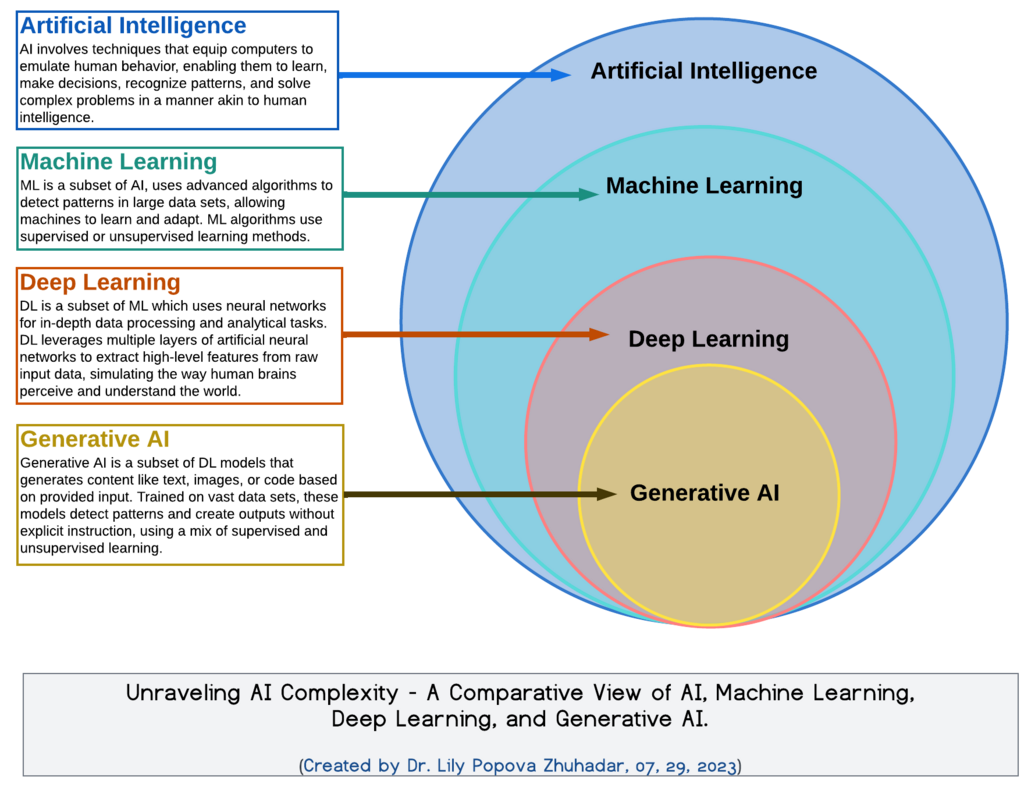
Often, you'll hear terms like Machine Learning and Deep Learning used interchangeably with AI, but they are actually subsets within the larger field. Machine Learning (ML) is a type of AI where systems learn patterns from data without being explicitly programmed. Instead of writing rules by hand, developers feed an ML model large amounts of data and let it figure out the connections on its own.
Deep Learning (DL) is a specialized subfield of machine learning. It uses complex structures called neural networks, which are inspired by the human brain, to find intricate patterns in very large datasets. This hierarchical relationship is key to understanding how these technologies relate to one another.
AI in Our Daily Lives
AI is no longer just a concept from science fiction; it's a fundamental part of modern technology that many of us use every day, often without realizing it. From recommending a movie on a streaming service to filtering spam from your inbox, AI algorithms are working behind the scenes.
algorithm
noun
A process or set of rules to be followed in calculations or other problem-solving operations, especially by a computer.
Let's look at a few common applications.
Natural Language Processing (NLP) gives machines the ability to read, understand, and generate human language. It's the technology behind voice assistants like Siri and Alexa, real-time translation apps, and chatbots that provide customer service. When you ask your phone for the weather, NLP is what allows it to understand your question and formulate a spoken response.
Computer Vision is how AI systems interpret and understand the visual world. This technology enables features like facial recognition to unlock your phone, self-driving cars to identify pedestrians and traffic signs, and systems that can diagnose medical conditions from X-rays or MRIs. It works by training models on millions of images to recognize objects, people, and patterns.
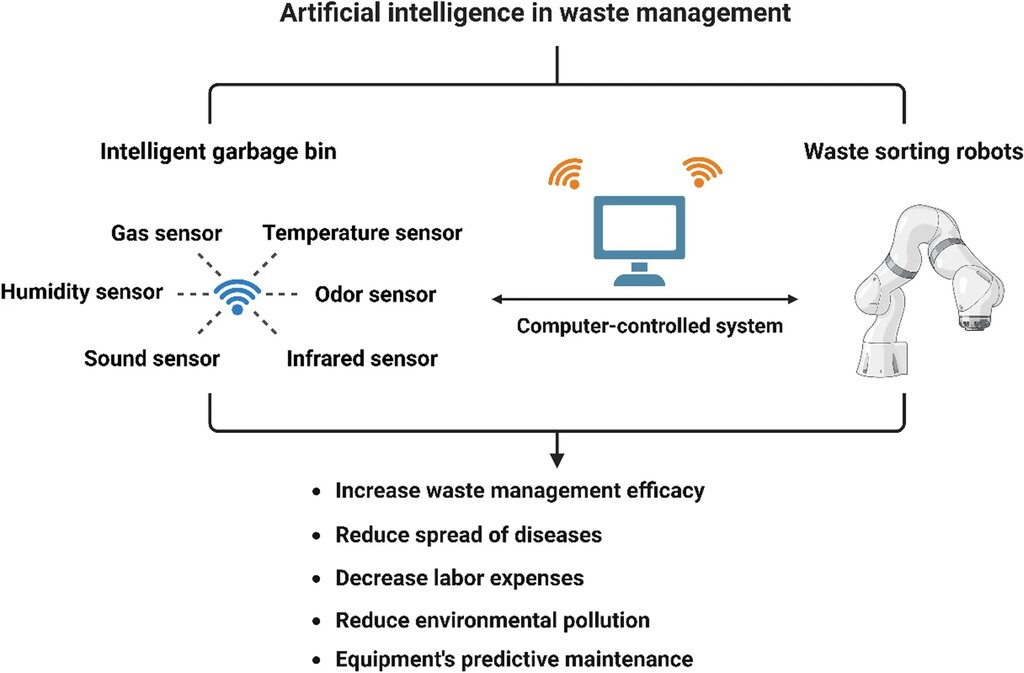
Robotics combines AI with physical machines to create robots that can perform tasks autonomously. These aren't just the humanoid robots of movies; they include assembly-line machines in factories, robotic vacuums that navigate your home, and surgical robots that assist doctors with complex procedures. AI provides the "brain" that allows these robots to perceive their environment and make decisions.
A Brief History of AI
The dream of creating intelligent machines is ancient, but the scientific field of AI is relatively young. The term "artificial intelligence" was first coined in 1956 at a conference at Dartmouth College. Early researchers were optimistic, believing that a machine as intelligent as a human being was only a generation away.
However, progress was slower than expected. The complexity of creating true intelligence led to periods known as "AI winters," when funding and interest dwindled. It wasn't until the 21st century that AI experienced a massive resurgence, fueled by two key developments: the availability of huge amounts of data (big data) and the development of powerful computers that could process it all.
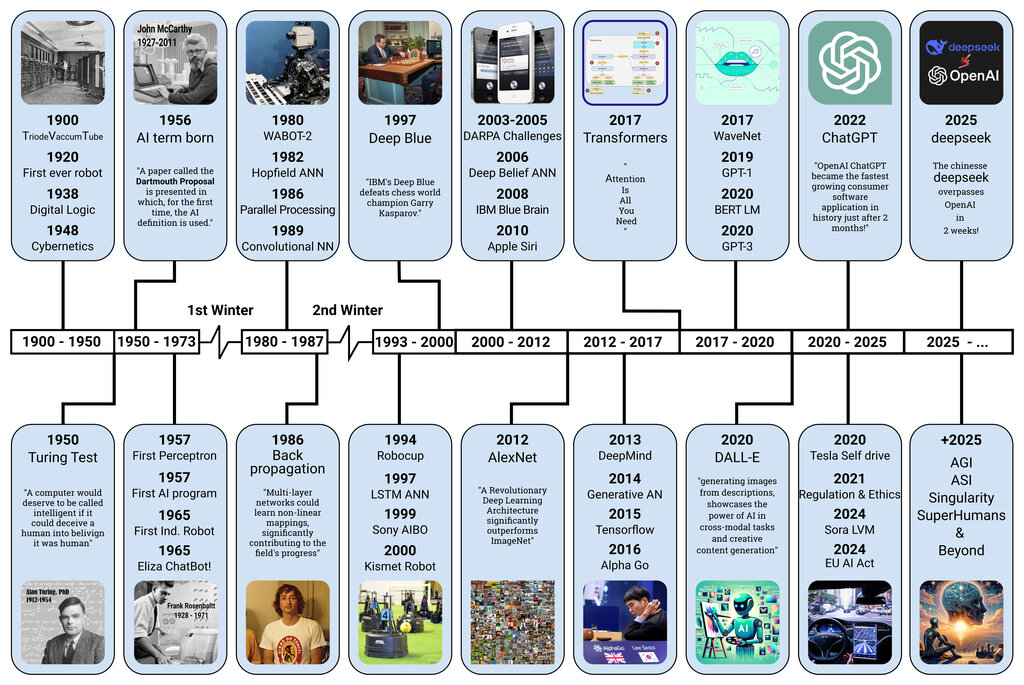
Today, thanks to these advances, particularly in deep learning, AI is progressing faster than ever and is reshaping entire industries.
Time to test your knowledge of these foundational concepts.
Which statement best describes the relationship between Artificial Intelligence (AI), Machine Learning (ML), and Deep Learning (DL)?
Which of the following is a primary application of Natural Language Processing (NLP)?
Understanding these core ideas—what AI is, how it differs from ML and DL, and where it's used—provides a solid foundation for exploring this transformative technology.