AI Agents Explained
Introduction to AI Agents
What Is an AI Agent?
Think of an AI agent as a digital worker. It's a program designed to perceive its environment, make decisions, and take actions to achieve a specific goal. Unlike a simple script that just follows a rigid set of instructions, an agent is more flexible and independent.
At their heart, AI agents are autonomous systems powered by artificial intelligence that perceive their environment, process data, and take actions to achieve specific goals, without constant human oversight.
This process works in a continuous loop. The agent uses sensors to gather information from its surroundings—this could be anything from a camera feed to user clicks on a website. It then processes this information and uses actuators to perform an action. Actuators are just the tools an agent uses to interact with its environment, like a robotic arm, a steering wheel, or even just sending an email.
A simple thermostat is a basic example. Its sensor detects the room's temperature. If it's too cold, its internal logic decides to act, and its actuator turns on the furnace. The goal is to maintain a comfortable temperature.
The Four Key Traits
What really separates AI agents from other software are four key characteristics: autonomy, reactivity, proactivity, and social ability.
Autonomy
noun
The ability to operate independently without direct human intervention. An autonomous agent can make its own choices about what to do next to achieve its goals.
Next is reactivity. An agent must be able to perceive its environment and respond to changes in real time. If a self-driving car's sensors detect a pedestrian stepping into the road, it must react immediately by braking.
Proactivity goes a step further. Instead of just reacting, a proactive agent takes initiative. It anticipates future events and acts to achieve its goals. A smart thermostat might learn your schedule and start warming the house before you get home from work.
Finally, agents often have social ability. This means they can communicate and cooperate with other agents and humans. In a smart warehouse, multiple robotic agents coordinate their movements to avoid collisions and efficiently move packages.
| Characteristic | Description | Simple Example |
|---|---|---|
| Autonomy | Acts independently to make decisions. | A spam filter automatically moves junk mail to the trash. |
| Reactivity | Responds to changes in its environment. | A smart camera starts recording when it detects motion. |
| Proactivity | Takes initiative to achieve goals. | A personal assistant AI schedules a meeting based on your calendar availability. |
| Social Ability | Interacts with other agents or humans. | A customer service chatbot answers questions and resolves issues. |
Agents in the Wild
AI agents are already all around us. When you ask a virtual assistant like Siri or Alexa to play a song, you're interacting with an AI agent. It perceives your voice command, processes the request, and acts by playing the music.
In video games, non-player characters (NPCs) are agents that react to your actions and interact with the game world to create a more immersive experience. E-commerce recommendation engines are agents that observe your browsing history to proactively suggest products you might like.
Even complex systems rely on agents. Air traffic control systems use agents to monitor aircraft positions and suggest flight path adjustments to maintain safety and efficiency.
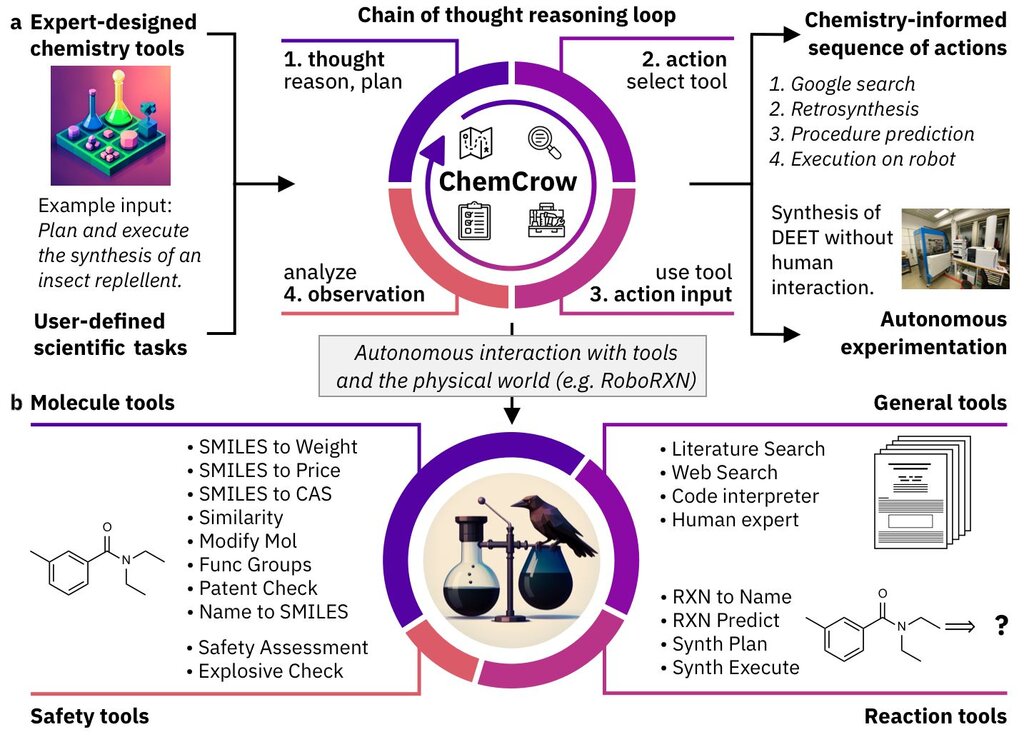
From managing our calendars to exploring other planets, AI agents are powerful tools that can handle tasks on our behalf, allowing us to focus on more complex problems.
What is the primary function of an AI agent?
A self-driving car immediately brakes when a pedestrian unexpectedly steps into the road. Which key characteristic of an AI agent does this action best exemplify?