AI Agent Creation Fundamentals
Introduction to Autonomous AI Agents
What Are AI Agents?
At its heart, an autonomous AI agent is a system that can perceive its environment, make decisions, and take actions to achieve a specific goal. Think of it less like a simple program that follows a rigid script and more like a diligent assistant given a task, the freedom to figure out how to complete it, and the ability to learn along the way.
agent
noun
An autonomous entity that perceives its environment through sensors and acts upon that environment through actuators to achieve its goals.
What makes an AI agent truly “agentic” or autonomous comes down to a few key traits:
- Autonomy: Agents can operate without direct, constant human supervision. They are given an objective, not a detailed list of instructions.
- Reactivity: They sense what's happening around them and can respond to changes in real time. A self-driving car, for example, reacts to a sudden stop from the car ahead.
- Proactiveness: They don’t just wait for something to happen. Agents are goal-oriented and will take initiative to make progress toward their objectives.
- Adaptability: They learn from their experiences. By analyzing the outcomes of their actions, they can improve their performance over time.
In short, an AI agent doesn't just follow a to-do list. It understands the goal behind the list and figures out the best way to get it done, even when things change.
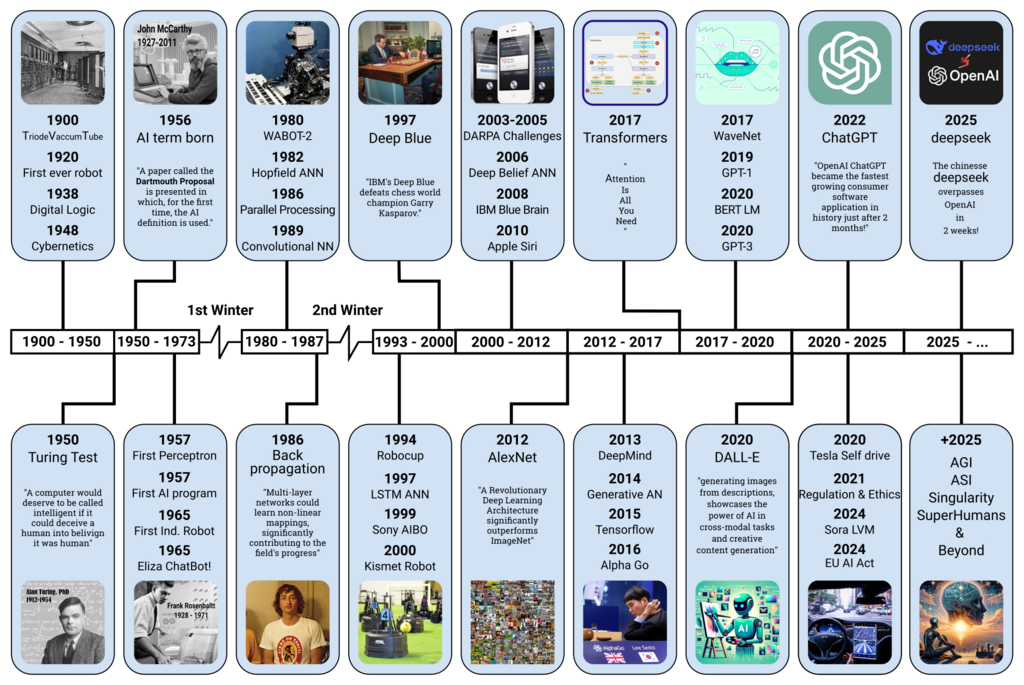
A Quick Trip Through Time
The concept of autonomous agents isn't brand new. Early artificial intelligence research explored simple rule-based systems, sometimes called “expert systems.” These could make decisions, but only within a very narrow, pre-programmed set of rules. They were like a calculator: very good at one thing, but completely unaware of anything else.
Over the decades, as computing power grew and machine learning techniques developed, these agents became more sophisticated. They moved from simply following rules to learning patterns from vast amounts of data. This shift allowed them to handle uncertainty and complexity far better than their predecessors. The journey has been one of increasing independence, from systems that needed constant guidance to the more autonomous agents we see today.
Agents in the Wild
You probably interact with autonomous agents every day without realizing it. That personalized movie recommendation on a streaming service? It comes from an agent that has learned your viewing habits. The spam filter in your email? An agent that decides which messages are junk based on patterns it has observed.
But their applications go much further. In finance, AI agents execute trades in fractions of a second based on market fluctuations. In logistics, they manage complex supply chains, rerouting shipments to avoid delays. And in science, they help researchers sift through massive datasets to find patterns that could lead to new discoveries.
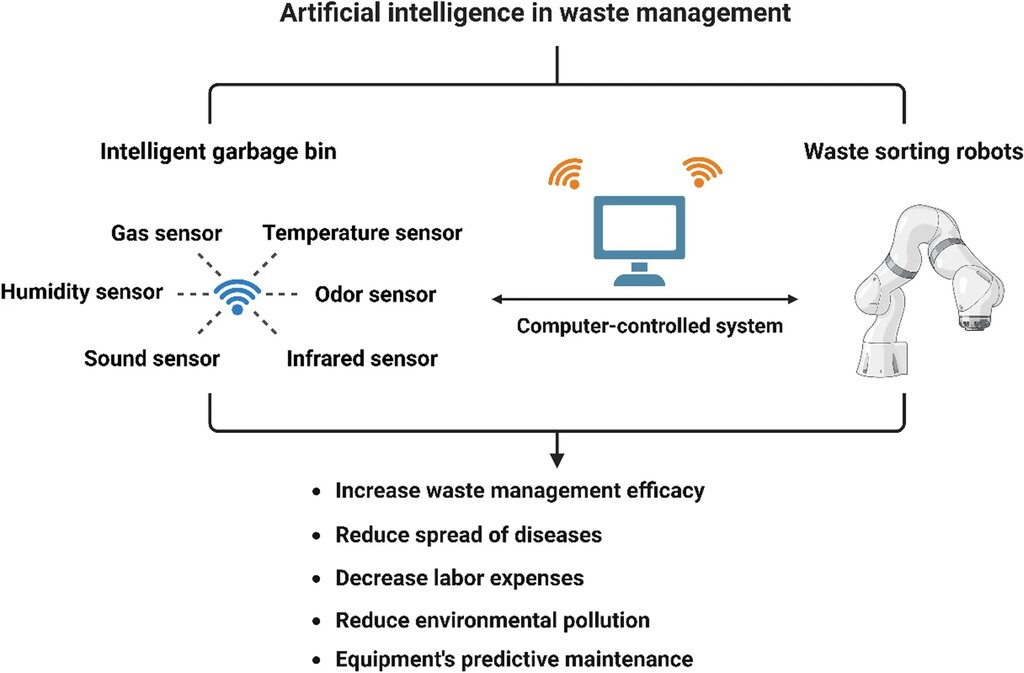
Consider a smart thermostat. It senses the temperature, compares it to your preferences, and turns the heating or cooling on or off. That’s a simple agent. A more complex one might be a customer service chatbot that not only answers questions but also analyzes the customer's tone to gauge their frustration and adapt its responses accordingly.
The Good and the Tricky
The benefits of autonomous agents are clear. They can work 24/7, handle tasks at a scale and speed humans can't, and take on dangerous or repetitive jobs. They can process enormous amounts of information to make optimal decisions, whether it's managing an energy grid or helping doctors diagnose diseases.
However, this autonomy also brings challenges. How do we ensure agents make ethical decisions? If a self-driving car has to make a split-second choice in an accident, how should it be programmed to act? There are also concerns about bias in the data agents learn from, which can lead to unfair outcomes. Ensuring these powerful tools are used safely and responsibly is one of the most important tasks facing developers and policymakers today.

Now that you have a foundational understanding of what autonomous AI agents are, let's test your knowledge.
What is the primary characteristic that defines an autonomous AI agent?
An AI agent managing a complex supply chain that reroutes shipments to avoid a sudden storm is demonstrating which key trait?
Understanding these core concepts is the first step. By grasping what agents are, where they came from, and how they're used, you're ready to explore the more intricate aspects of how they're built and managed.