Agentic AI Explained
Introduction to Agentic AI
What Is Agentic AI?
Most AI today waits for instructions. You ask a question, it gives an answer. You give a command, it performs a task. This is incredibly useful, but it's fundamentally reactive. The AI is a tool that responds to your direct input.
Agentic AI is different. It’s designed to be proactive. Instead of just responding, an agentic AI can take a complex goal, figure out the steps needed to achieve it, and then carry out those steps on its own. It operates with a high degree of autonomy, making decisions and taking actions with minimal human guidance.
Agentic AI is a term used to describe autonomous artificial intelligence systems that are capable of complex processes that result in decision-making or actions without human intervention.
Think of it as the difference between giving a cook a detailed recipe and simply asking for a delicious dinner. The first requires step-by-step instructions. The second trusts the cook to use their skills to plan a menu, gather ingredients, and prepare the meal—all to achieve the high-level goal.
From Following Rules to Making Plans
The journey to agentic AI marks a significant shift in how intelligent systems operate. Early AI, and many systems still in use today, are reactive. A chess program reacts to your move based on a set of rules and calculations. A simple customer service bot reacts to keywords in your query to provide a pre-written answer. It follows a script.
Proactive, or agentic, AI moves beyond this. It doesn't just react to the present moment; it plans for the future. Given a goal like "organize a team offsite event in Austin," a reactive system would be stuck. It would need you to specify every step: find venues, check availability, compare prices, book flights, and so on.
An agentic AI understands the overall objective. It can break the goal down into smaller tasks, interact with different systems (like calendars, booking websites, and budget spreadsheets), and adjust its plan based on new information, like a venue being unavailable. It formulates a strategy instead of just following one.
The Power of Autonomy
This ability to act independently is the core of agentic AI. Autonomy doesn't mean the AI is completely uncontrolled. It means the system can pursue a goal without needing a human to guide every single decision along the way. This is a game-changer.
When an AI can operate autonomously, it transforms from a simple tool into a collaborator. It can tackle complex, open-ended problems that are impossible to script in advance. For example, an agentic AI could manage a company's supply chain, automatically adjusting orders based on sales data, shipping delays, and weather forecasts—a task too dynamic and multifaceted for a simple, rule-based program.
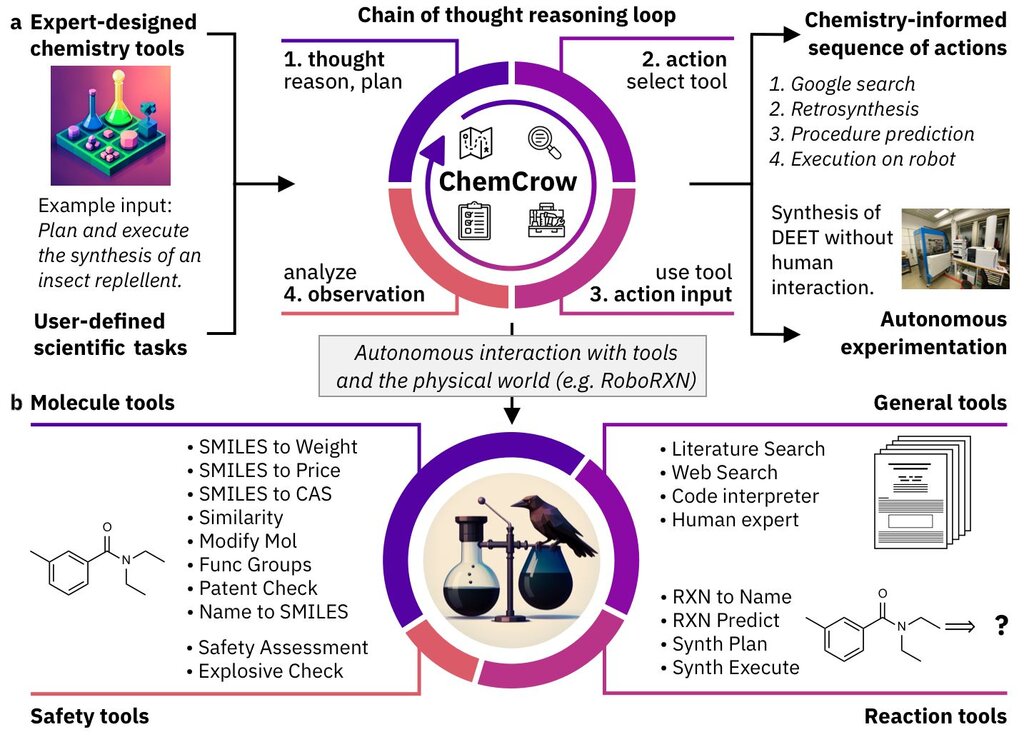
This frees up human experts to focus on strategy and oversight, rather than getting bogged down in the minutiae of execution. The significance of autonomy is that it allows AI to handle not just the 'what,' but also the 'how'.
How They Think
So, what enables an AI to act on its own? While the underlying technology is complex, the process can be understood through a few foundational principles. An agentic system generally follows a loop of observing, planning, and acting.
1. Understand the Goal: It starts by interpreting a high-level objective provided by a human. 2. Plan the Steps: The AI breaks the goal into a sequence of smaller, actionable sub-tasks. This is its strategy. 3. Execute Actions: It carries out each sub-task, which might involve searching the web, running code, or accessing a database. 4. Adapt and Refine: The AI observes the outcome of its actions and adjusts its plan accordingly. If a step fails or circumstances change, it re-evaluates and tries a different approach.
This continuous cycle of planning, acting, and learning from feedback allows the AI to navigate complex challenges and work towards its goal in a dynamic environment, much like a person would.
What is the primary characteristic that distinguishes agentic AI from most other AI systems?
According to the provided text, asking a reactive AI to achieve a high-level goal like "organize a team offsite event" is like...
This ability to act with intention and independence is what defines agentic AI and sets the stage for more powerful and collaborative intelligent systems.