Advanced Strategic Communication Skills
Strategic Message Framing
Framing Is Everything
Effective professional communication goes beyond simply sharing information. It's about architecture. You design your message to guide your audience toward a specific outcome. The way you present an idea, or frame it, can dramatically alter how it's perceived and whether it succeeds or fails. Two people can present the exact same data, but by using different frames, they can lead an audience to completely different conclusions.
Framing is the art of context, the craft of shaping perception.
This works because our brains don't process information like computers. We rely on mental shortcuts and are susceptible to various biases. Framing doesn't change the facts, but it changes the focus. It works with our natural thought processes, rather than against them, to make a message more persuasive.
The Power of Cognitive Bias
To understand framing, you first have to understand that human decision-making isn't purely rational. We are all influenced by , which are systematic patterns of deviation from norm or rationality in judgment. These aren't flaws; they are mental shortcuts that help us make sense of a complex world quickly. However, they also mean that the presentation of information matters immensely.
For example, we are more likely to agree with information that confirms our existing beliefs (confirmation bias) and we tend to rely heavily on the first piece of information offered (anchoring bias). Strategic framing anticipates these tendencies. By choosing a frame, you're essentially choosing which mental shortcut the listener is most likely to use, guiding their interpretation from the outset.
Gain vs. Loss Framing
One of the most powerful framing techniques is the distinction between gain and loss. You can frame a choice in terms of what the person stands to gain, or what they stand to lose. While the underlying value is the same, the psychological impact is vastly different. This is because of a principle called loss aversion: for most people, the pain of losing something is psychologically twice as powerful as the pleasure of gaining the same thing.
| Scenario | Gain Frame (Focus on the Positive) | Loss Frame (Focus on the Negative) |
|---|---|---|
| New Software Adoption | "This new software will increase team productivity by 20%." | "If we don't adopt this new software, we will continue to lose 5 hours per week to inefficiency." |
| Health Screening | "Getting this screening helps ensure you stay healthy for years to come." | "Skipping this screening means you might not catch a serious illness until it's too late." |
| Investing in a Project | "By funding this project, we can capture a new market segment." | "If we don't fund this project, our competitor will capture that new market segment." |
So, when should you use each frame?
Loss framing is incredibly effective for creating urgency and motivating action, especially in high-stakes situations. When you need to prevent a negative outcome or spur someone to avoid a risk, highlighting the potential loss is a powerful tool.
Gain framing works best when you want to inspire creativity, encourage risk-taking, or build positive momentum. It's less confrontational and helps people feel good about the decision they are making.
Architecting Your Message
Treating communication as a design problem means starting with the end goal. Before you write a single word, ask yourself: What is the specific outcome I want to achieve? What do I want my audience to think, feel, or do after receiving this message?
This outcome-oriented approach forces you to tailor the frame to your audience. The right frame depends entirely on who you're talking to. Different have different priorities, motivations, and concerns. A message framed around market share growth will resonate with a sales director, while the same project might need to be framed around cost savings and efficiency for a CFO.
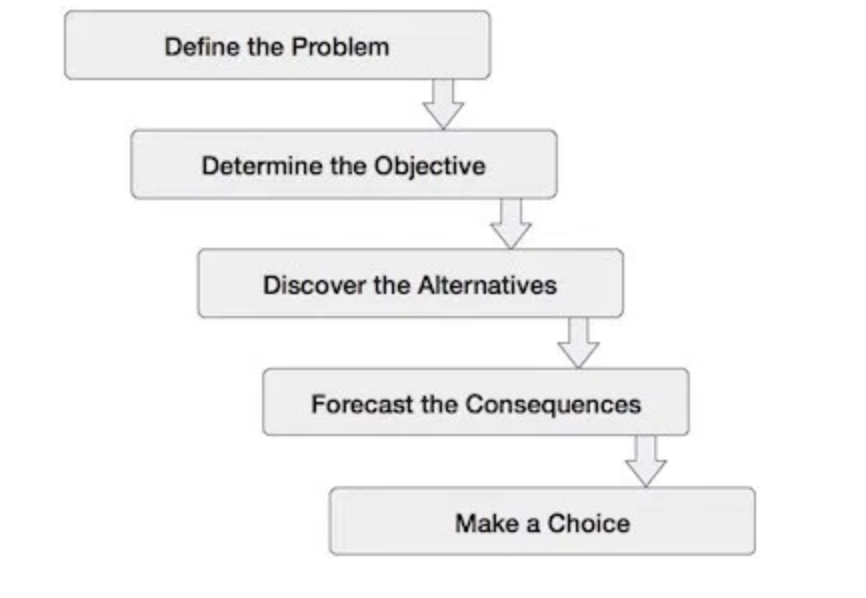
Your job as a strategic communicator is to first understand the perspectives of your key stakeholders. Then, you can build a message architecture that frames your proposal in the context that is most compelling and relevant to them. It's not about manipulation; it's about empathy and clarity, ensuring your idea is heard in the way it was intended.
What is the primary purpose of 'framing' in professional communication?
You are trying to convince your risk-averse manager to approve a pilot program for a new technology that could significantly boost team creativity and open up new markets. Which framing strategy would be most effective?