Achieve Zero Inbox Mastery
Understanding Email Overload
The Weight of Unread Mail
Open your inbox. How many unread messages are staring back at you? Ten? A hundred? A thousand? For many people, email has transformed from a useful communication tool into a major source of stress. This feeling of being overwhelmed by the sheer volume of messages is known as email overload.
It’s not just about the number of emails. The average office worker receives around 121 emails per day. Email overload is the constant pressure to read, process, and respond to this relentless stream. It’s the feeling that your inbox dictates your workday, pulling your attention in a dozen different directions at once.
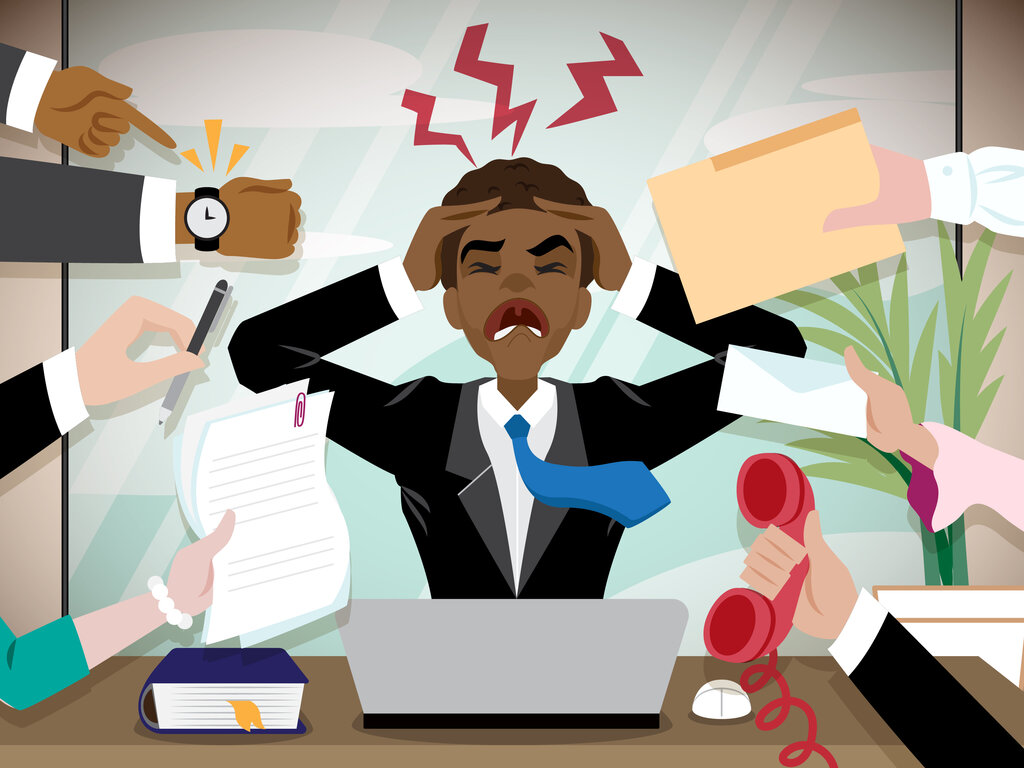
More Than a Nuisance
Each email notification might seem small, but the cumulative effect is significant. The core problem is context switching. When you're focused on a task and a new email alert pops up, your attention is split. Even if you ignore it, part of your brain is now thinking about what that email might be. If you do check it, you've completely derailed your train of thought.
Studies show it can take over 20 minutes to fully regain focus after an interruption. Multiply that by dozens of emails a day, and you're losing hours of productive time.
This constant digital barrage also takes a toll on our mental health. The pressure to be constantly available and responsive blurs the line between work and personal life. It can lead to anxiety, a feeling of never being truly “off,” and can be a major contributor to burnout. Your inbox becomes a constant reminder of unfinished tasks and obligations.
An overflowing inbox doesn't just represent unread messages; it represents a cluttered mind and fragmented focus.
How Did We Get Here?
Several factors combine to create email overload. The most obvious culprit is the constant stream of notifications. Our devices are designed to alert us to every new message, creating a cycle of distraction and reaction.
Another major cause is a lack of organization. Many people use their inbox as a combination to-do list, filing cabinet, and messaging app. When important tasks are buried under newsletters and routine updates, finding what you need becomes a job in itself. Without a system for processing and filing messages, the inbox quickly becomes an unmanageable digital pile.
Finally, modern work culture often sets an expectation of immediate availability. This pressure to reply instantly means we're tethered to our inboxes, unable to disconnect and engage in deep, focused work.
An overstuffed email inbox can cause a lot of stress, and if our unread emails continue to pile up, the anxiety will, too.
Taming your inbox isn't about finding a magic trick to make emails disappear. It's about reclaiming control over your attention. By managing email effectively, you reduce the constant background stress of a cluttered inbox. You create space for the focused work that truly matters, which improves not just your productivity but your overall well-being. It’s the first step toward making email a tool that serves you, not the other way around.