Ace Your Junior Software Developer Interview
Understanding Interview Formats
The Three Main Interview Types
Software developer interviews aren't all the same. While every company has its own process, most interviews for junior roles fall into three main categories: behavioral, technical, and coding. Think of them as different tests for different skills. One checks if you're a good teammate, another tests your knowledge, and the last sees how you actually build things.
A typical interview process might string these together over several rounds. You might start with a behavioral chat with a recruiter, then move on to a coding assessment, and finish with a technical discussion with senior engineers. Knowing what to expect in each format is the first step to feeling prepared.
The Behavioral Interview
This interview is about you, not your code. The interviewer wants to understand your personality, your work style, and how you handle common workplace situations. They're trying to answer questions like: Do you work well on a team? How do you handle failure? Are you motivated and eager to learn?
You’ll get questions that start with phrases like "Tell me about a time..." or "Describe a situation where...". They're looking for specific examples from your past experience, whether from a previous job, a school project, or even a personal endeavor.
A great way to structure your answers is using the STAR method: Situation, Task, Action, and Result. Briefly describe the situation, explain the task you had to complete, detail the actions you took, and share the result of your efforts.
The Technical Interview
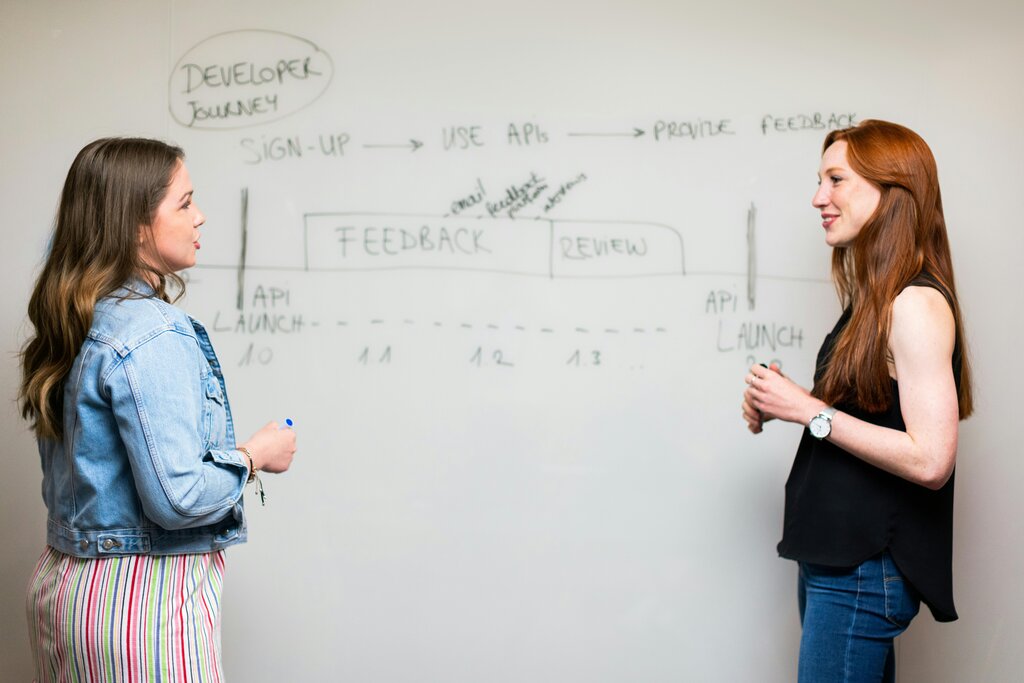
Don't confuse this with a coding challenge. A technical interview is more of a conversation to gauge your understanding of computer science fundamentals. You won't be writing complex algorithms from scratch. Instead, you'll be explaining concepts.
An interviewer might ask you to explain the difference between an array and a linked list, describe how a hash map works, or talk through the pros and cons of a particular technology. The goal is to see if you have a solid theoretical foundation. They want to know you understand the 'why' behind the code, not just how to write it.
You don’t need to be an expert in everything. It's okay to say "I'm not sure, but here's how I would think about it." Showing your thought process is often more important than having the perfect answer.
The Coding Assessment
This is where you get your hands dirty. The coding assessment is designed to test your practical problem-solving skills. It can take a few different forms:
| Format | Description |
|---|---|
| Take-Home Project | You're given a small project to complete on your own time, usually within a few days. |
| Live Coding | You share your screen and solve a problem while talking through your process with an interviewer. |
| Whiteboarding | The classic interview where you solve a problem on a whiteboard, explaining your logic as you go. |
Regardless of the format, the goal is the same. The interviewer wants to see how you approach an unfamiliar problem. They'll pay attention to how you clarify requirements, break the problem down into smaller pieces, write clean code, and test your solution.
If you have a technical background, check their software engineering fundamentals using a coding and problem-solving interview.
It's completely normal to feel nervous during a coding assessment. Remember to communicate clearly, ask questions when you're stuck, and explain the trade-offs in your approach. It's a collaboration, not just a test.
Ready to check your understanding?
What is the primary goal of a behavioral interview?
Which of the following questions is most likely to be asked in a technical interview?
Understanding these formats helps you know what to focus on. For behavioral rounds, practice telling stories about your experiences. For technical rounds, brush up on your fundamentals. And for coding assessments, practice solving problems and talking about your code. Each one is a different skill, and all are essential for landing your first developer job.