A Tale of Two Cities Explained
Historical Context
It Was the Best of Times...
Charles Dickens' A Tale of Two Cities is set during a period of intense upheaval: the late 18th century. The novel unfolds against the backdrop of the French Revolution, a bloody and chaotic struggle that reshaped France and sent shockwaves across Europe. To understand the story's world, we need to look at the historical events that drive its plot and shape its characters.
The novel contrasts two very different cities: London and Paris. London was a sprawling, chaotic hub of commerce and empire, grappling with its own social problems but politically stable. Paris, on the other hand, was a powder keg of social and political tension, about to explode.
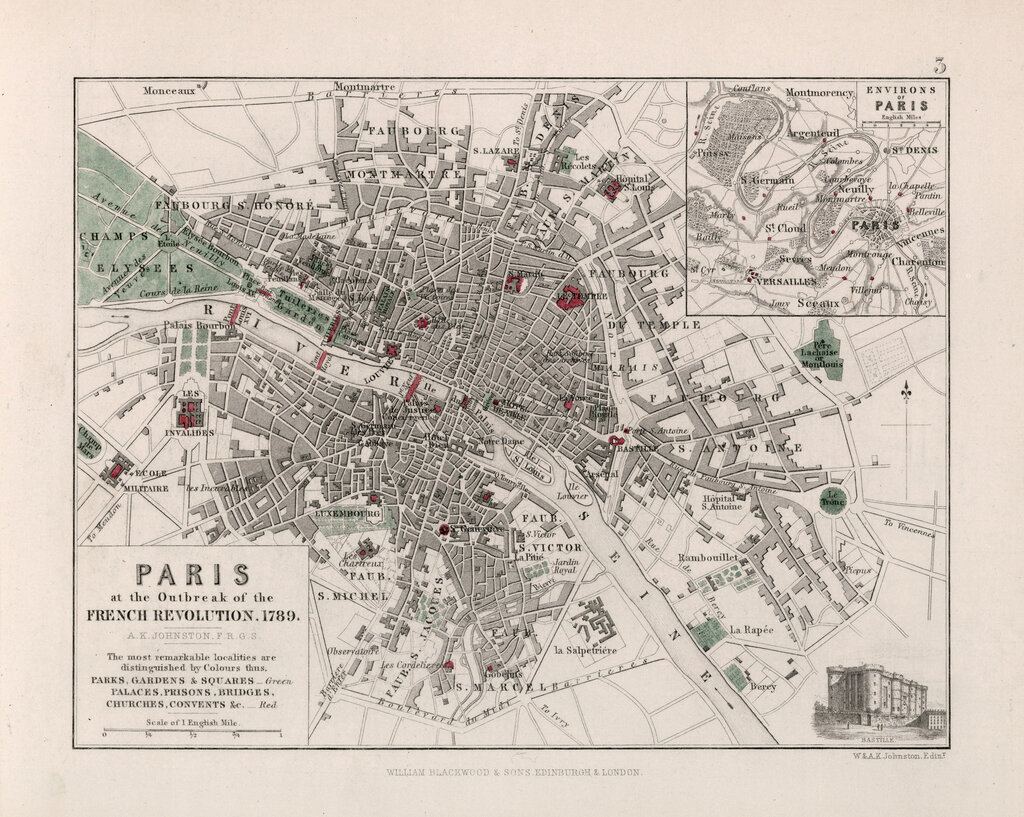
Why the Revolution?
The French Revolution didn't happen overnight. It was the result of decades of deep-seated problems. French society was rigidly divided into three social classes, or "Estates."
| Estate | Who They Were | Privileges |
|---|---|---|
| First Estate | Clergy of the Roman Catholic Church | Owned 10% of the land, paid almost no taxes. |
| Second Estate | Nobility | Held top government jobs, owned 20% of the land, paid no taxes. |
| Third Estate | Everyone else (97% of the population) | Included peasants, city workers, and the bourgeoisie (middle class). Paid all the taxes, had no power. |
This system was fundamentally unfair. The vast majority of people shouldered the entire financial burden of the country while having no say in how it was run. On top of this social inequality, France was broke. Decades of extravagant spending by the monarchy and costly wars, including funding the American Revolution, had drained the treasury. To make matters worse, a series of bad harvests in the 1780s led to a severe shortage of bread, the main food for the poor. People were starving, angry, and desperate for change.
Meanwhile, new ideas from the Enlightenment were spreading. Thinkers like Jean-Jacques Rousseau and Voltaire championed concepts like liberty, equality, and the rights of citizens, inspiring many in the Third Estate to question the authority of the king and the aristocracy.
The Spark and the Fire
The breaking point came on July 14, 1789. An angry mob of Parisians, seeking weapons and gunpowder to defend themselves against the king's army, stormed the Bastille, a medieval fortress used as a state prison. The Bastille was a potent symbol of the monarchy's absolute power and oppression.
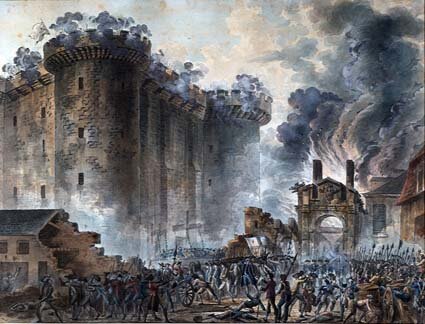
The fall of the Bastille was a massive symbolic victory for the revolutionaries. It marked the beginning of a long and violent struggle that saw the overthrow of the monarchy, the execution of King Louis XVI and Queen Marie Antoinette, and the establishment of a republic.
The Reign of Terror
As the revolution intensified, it entered its most radical and bloody phase: the Reign of Terror (1793-1794). A powerful group called the Committee of Public Safety, led by Maximilien Robespierre, took control of the government. Their goal was to protect the revolution from its "enemies," both foreign and domestic.
What followed was a period of extreme paranoia and violence. Revolutionary tribunals were set up to try anyone suspected of being disloyal. A mere accusation could lead to a death sentence, with little chance for a fair trial.
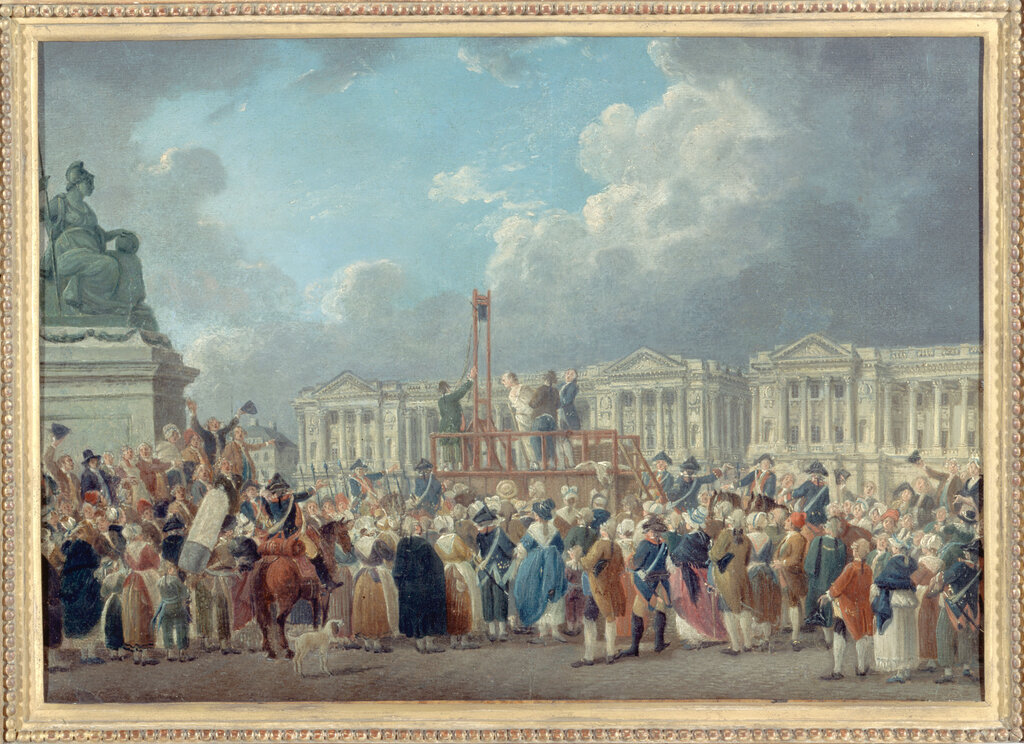
The instrument of this terror was the guillotine, which became a grim symbol of the era. Thousands of people, from aristocrats to ordinary citizens, were executed. This period of state-sanctioned violence is a central element in A Tale of Two Cities, showcasing how a fight for liberty could descend into brutal tyranny.
This turbulent historical backdrop provides the stage for Dickens's story. The deep class hatreds, the desperate poverty in Paris, the revolutionary fervor, and the shadow of the guillotine all drive the actions and fates of the characters you will meet.
How did the political climate of London differ from that of Paris in the late 18th century, as depicted in the novel's backdrop?
Which of the following was NOT a major cause of the French Revolution?